- Status
- Defunct
- Founded
- Founded 1977
- Country
- United States
- Parent
- Part of Mattel
Mattel Electronics was a subsidiary of toy-maker Mattel, founded in 1977. They were responsible for designing and manufacturing Mattel's video game console and all-around entertainment system, Intellivision. Additionally, they developed video games for both their own and the competitors' gaming platforms. Mattel Electronics introduced Intellivision to the market in 1979, Fresno, California. Thanks to smart advertising and technical superiority against Atari's 2600 console, the unit sold well in the following years. The success determined Mattel to produce different peripherals for Intellivision, such as the keyboard and the entertainment computer system (ECS). To expand their game library, Mattel Electronics hired various programmers, designers, artists to develop new titles. By 1982, the division numbered over 100 employees. In 1982, the staff numbers increased from 100 to 1000. This was all short-lived, as the company recorded $394 million in losses by 1983. This decline was determined by various causes: the emergence of a new competitor console, Colecovision, sporting similar technical capabilities to Intellivision; diminished sales for the system in 1983, coupled with increased expenses for the production of new titles; the saturation of the market with new games etc. As a result, by 1984 Mattel closed or sold off all its non-toy-related subsidiaries. Mattel Electronics was laid to rest on the January 20th, 1984. In January 1984, 2 weeks after the January CES, the rights to the Intellivision and games were purchased by INTV Corp., which was started by the former marketing VP of Mattel Electronics, Terry Valeski. Game development and publishing continued until INTV's bankruptcy in 1990, and the Intellivision rights were sold by Mr. Valeski to Ultimatte Corp. in 1997. Ultimatte then licensed all rights to Intellivision Productions.
Mattel Electronics was a subsidiary of toy-maker Mattel, founded in 1977. They were responsible for designing and manufacturing Mattel's video game console and all-around entertainment system, Intellivision. Additionally, they developed video games for both their own and the competitors' gaming platforms. Mattel Electronics introduced Intellivision to the market in 1979, Fresno, California. Thanks to smart advertising and technical superiority against Atari's 2600 console, the unit sold well in the following years. The success determined Mattel to produce different peripherals for Intellivision, such as the keyboard and the entertainment computer system (ECS). To expand their game library, Mattel Electronics hired various programmers, designers, artists to develop new titles. By 1982, the division numbered over 100 employees. In 1982, the staff numbers increased from 100 to 1000. This was all short-lived, as the company recorded $394 million in losses by 1983. This decline was determined by various causes: the emergence of a new competitor console, Colecovision, sporting similar technical capabilities to Intellivision; diminished sales for the system in 1983, coupled with increased expenses for the production of new titles; the saturation of the market with new games etc. As a result, by 1984 Mattel closed or sold off all its non-toy-related subsidiaries. Mattel Electronics was laid to rest on the January 20th, 1984. In January 1984, 2 weeks after the January CES, the rights to the Intellivision and games were purchased by INTV Corp., which was started by the former marketing VP of Mattel Electronics, Terry Valeski. Game development and publishing continued until INTV's bankruptcy in 1990, and the Intellivision rights were sold by Mr. Valeski to Ultimatte Corp. in 1997. Ultimatte then licensed all rights to Intellivision Productions.
Studios
Developed
-

Hot Wheels: Race Off+
2024
-
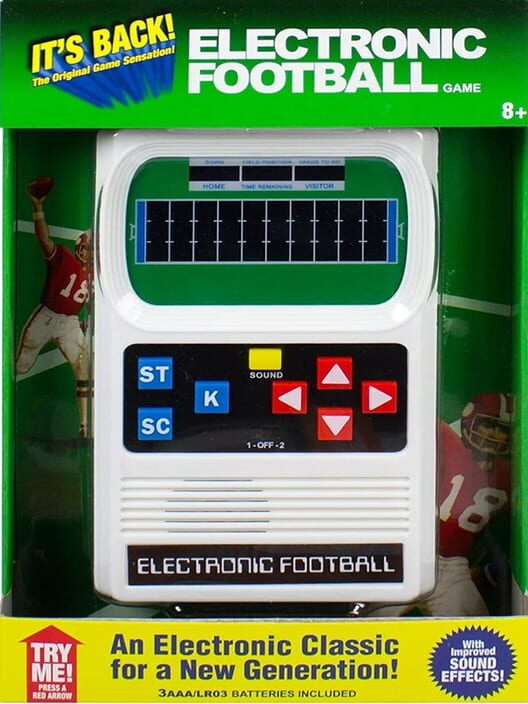
Electronic Football
2014
-
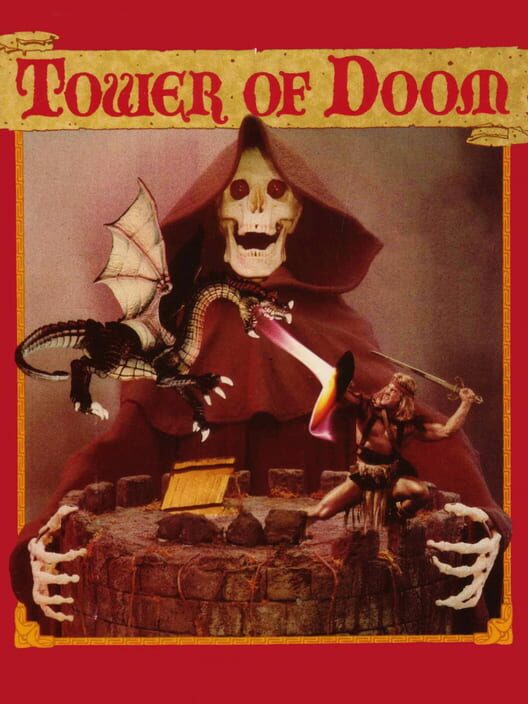
Tower of Doom
1987
-
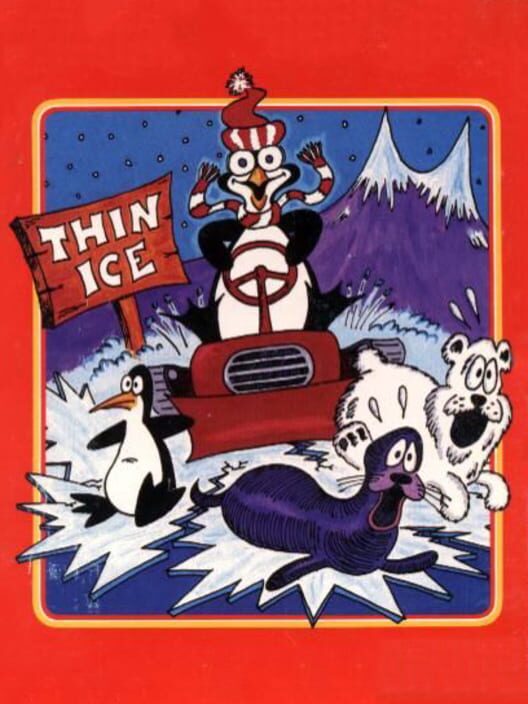
Thin Ice
1986
-
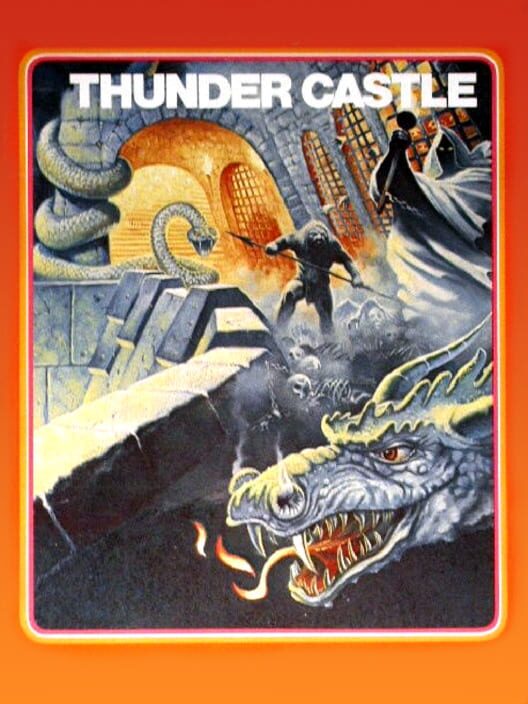
Thunder Castle
1984
-
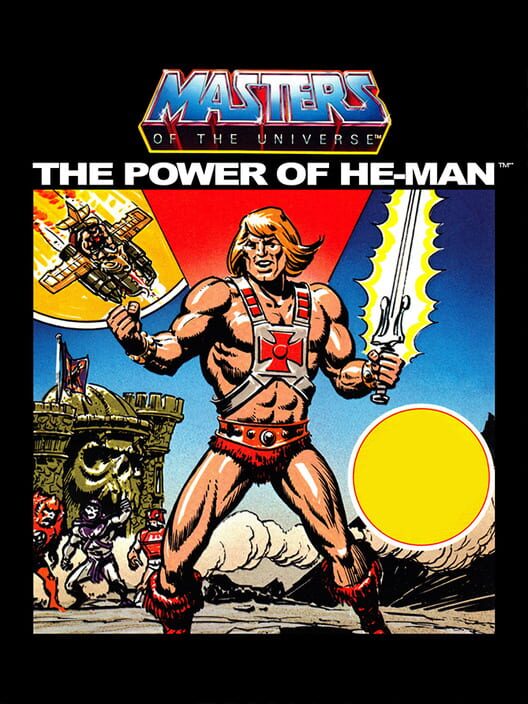
Masters of the Universe: The Power of He-Man
1983
-
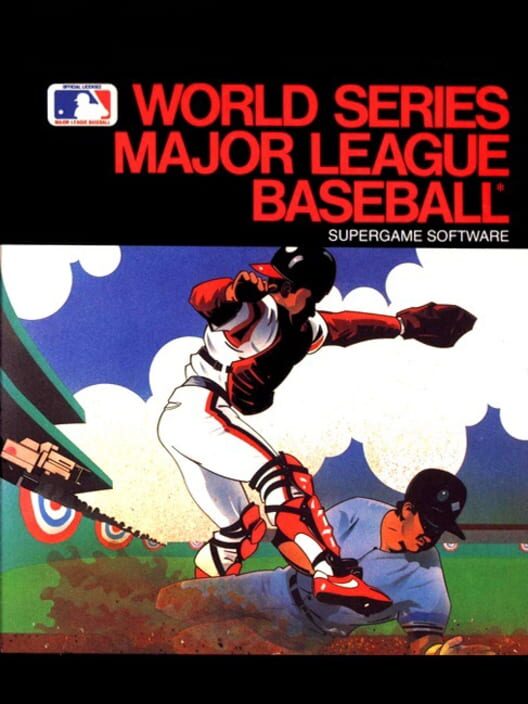
World Series Major League Baseball
1983
-
Tron: Solar Sailer
1983
-
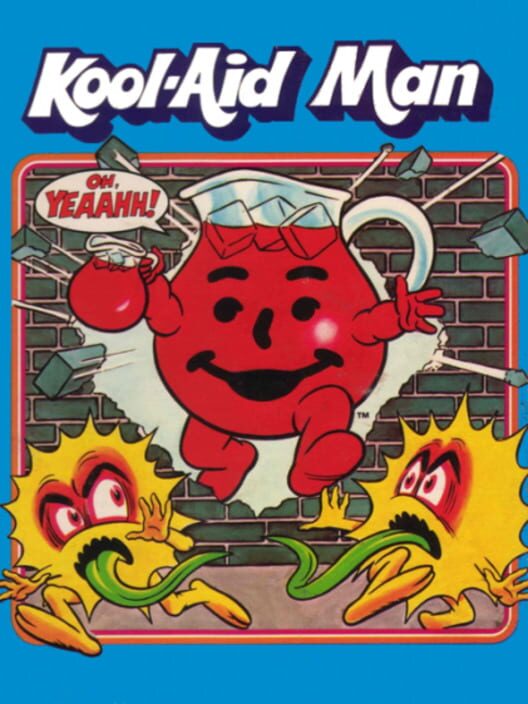
Kool-Aid Man
1983
-
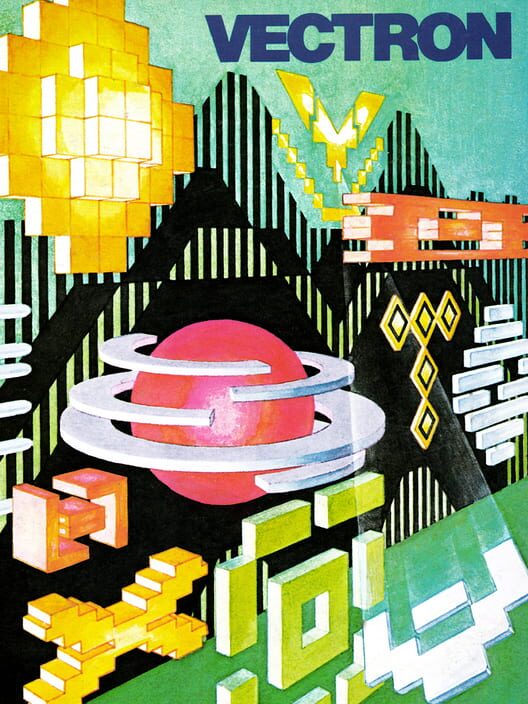
Vectron
1983
-
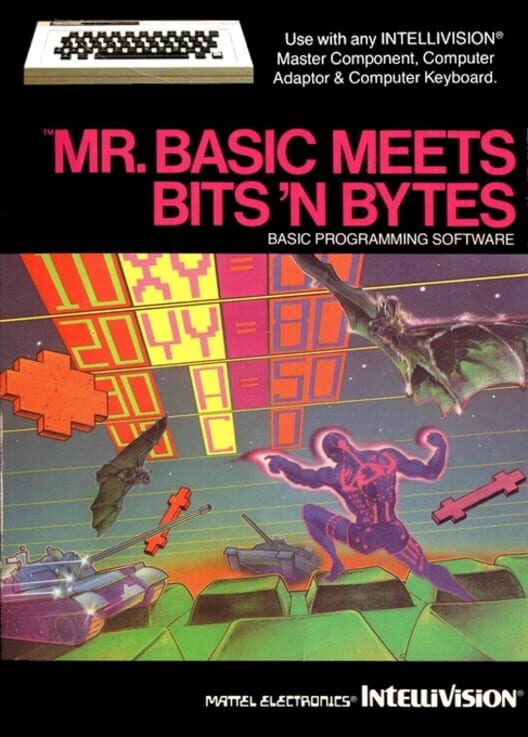
Mr. BASIC Meets Bits 'N Bytes
1983
-
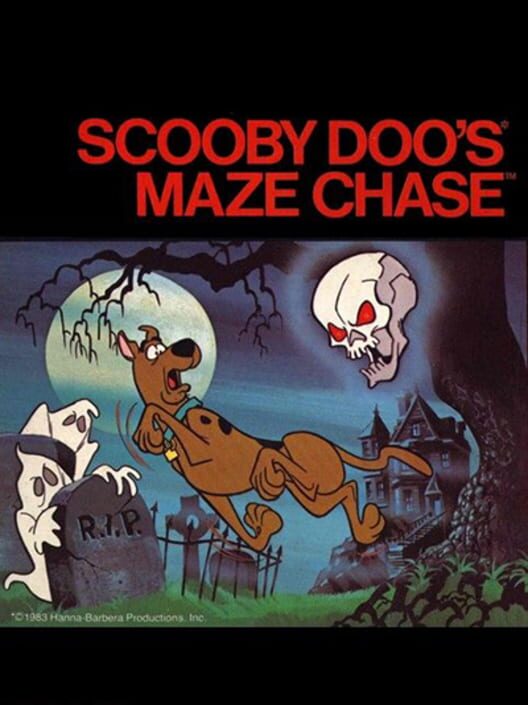
Scooby Doo's Maze Chase
1983
-
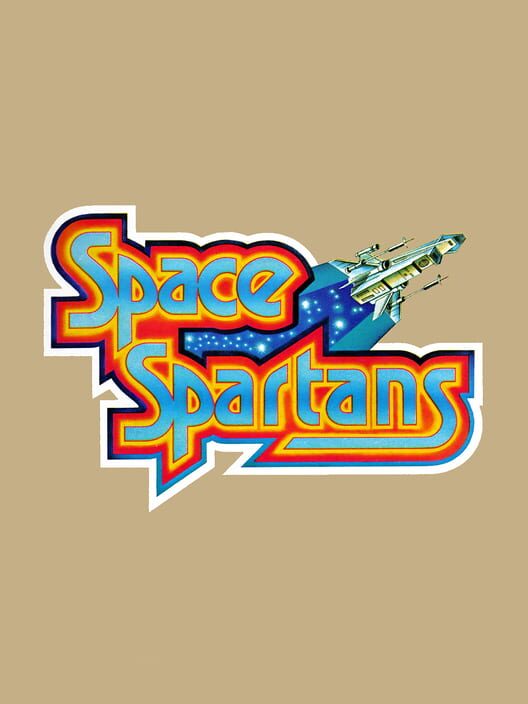
Space Spartans
1982
-

B-17 Bomber
1982
-

Air Raiders
1982
-
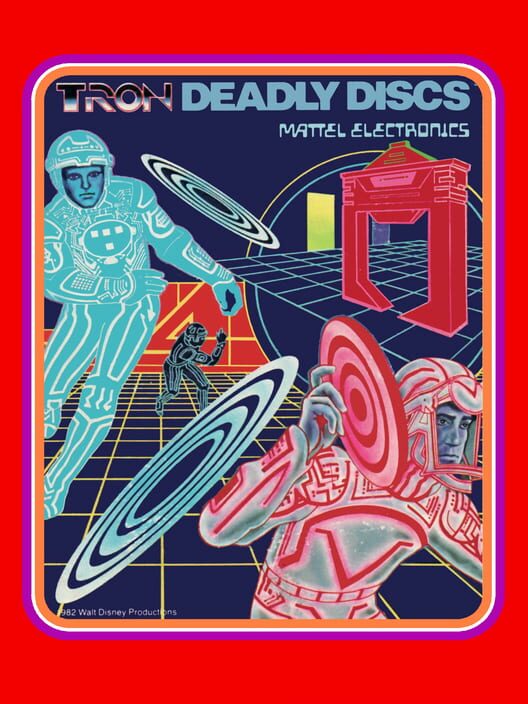
Tron: Deadly Discs
1982
-
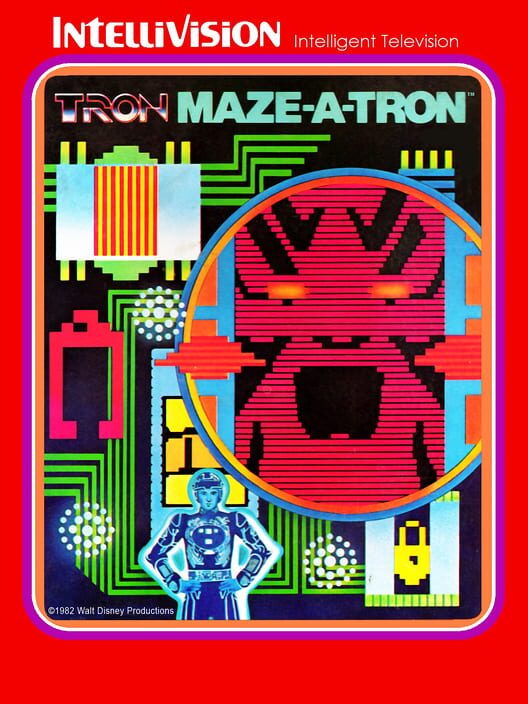
Tron: Maze-A-Tron
1982
-
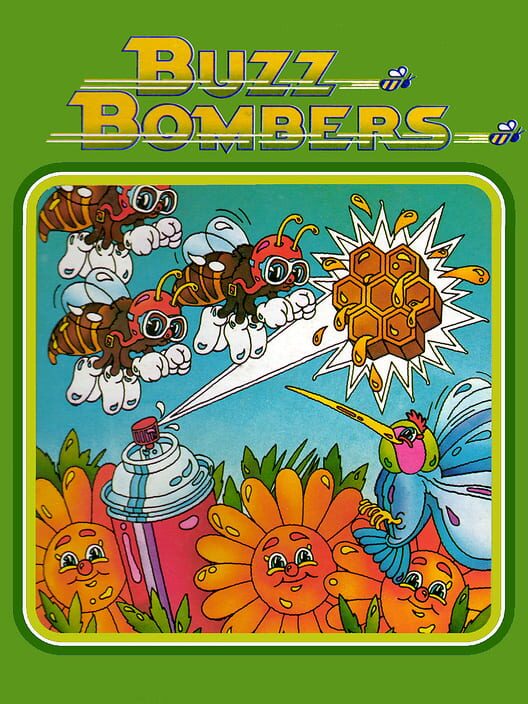
Buzz Bombers
1982
-
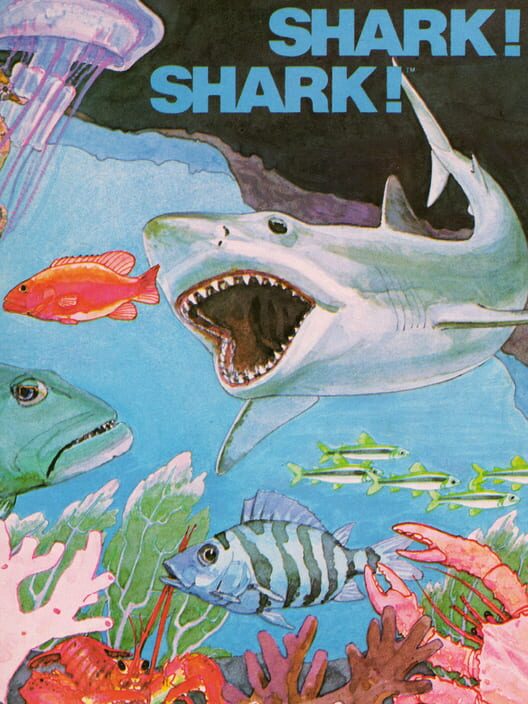
Shark! Shark!
1982
-
Bomb Squad
1982
-
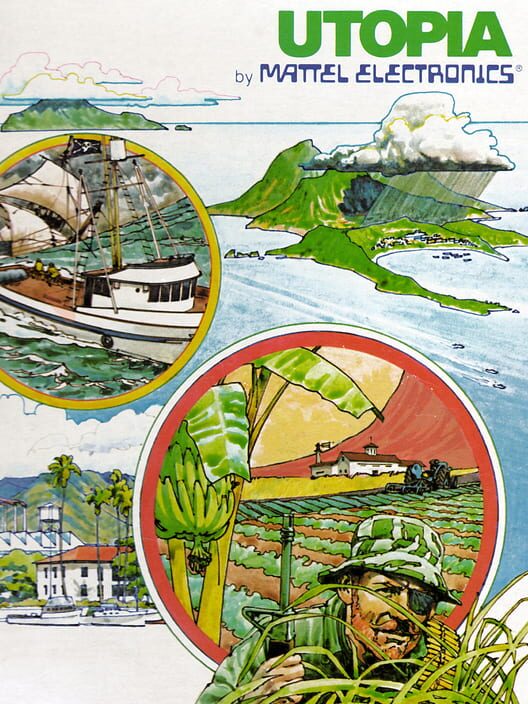
Utopia
1982
-
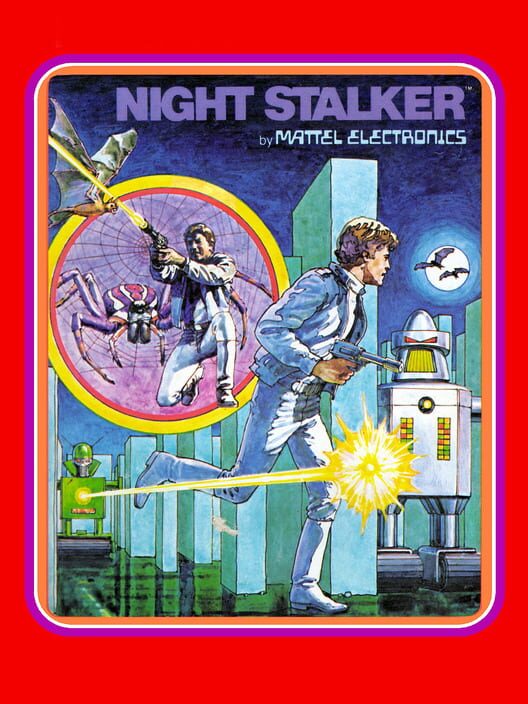
Night Stalker
1982
-
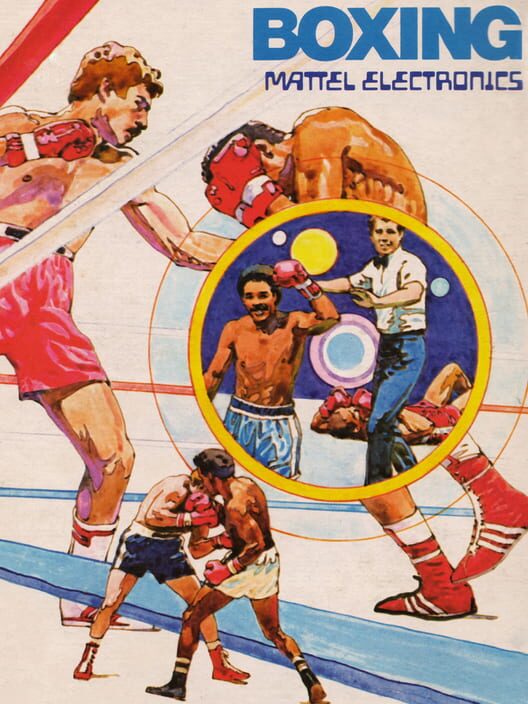
Boxing
1981
-
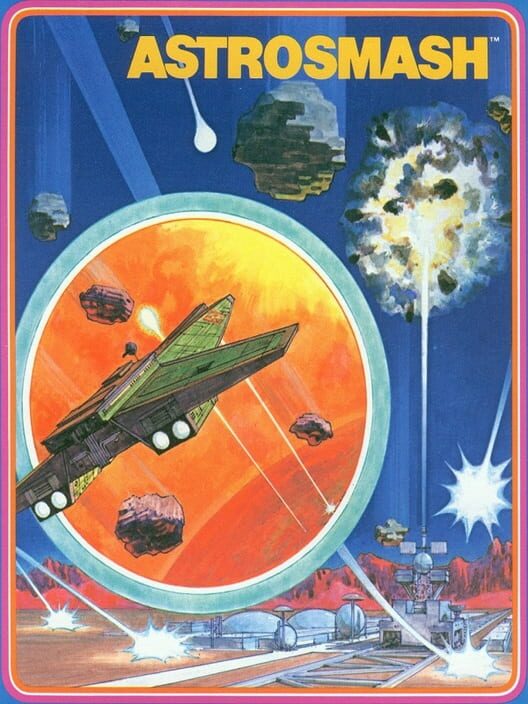
Astrosmash
1981
-
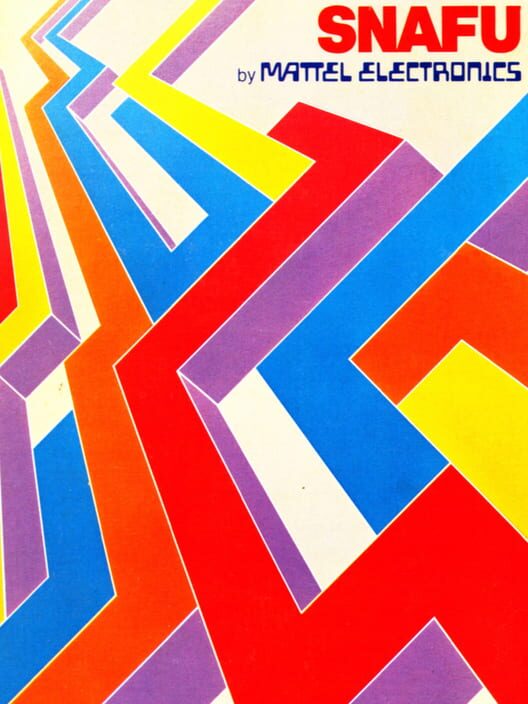
Snafu
1981
-
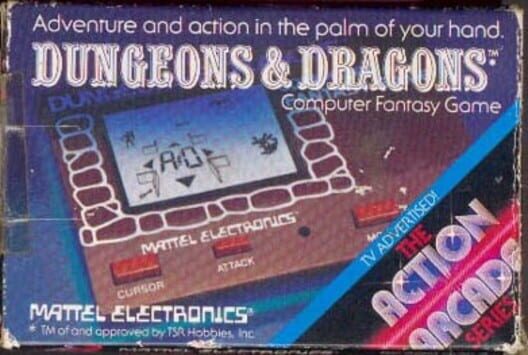
Dungeons & Dragons Computer Fantasy Game
1981
-
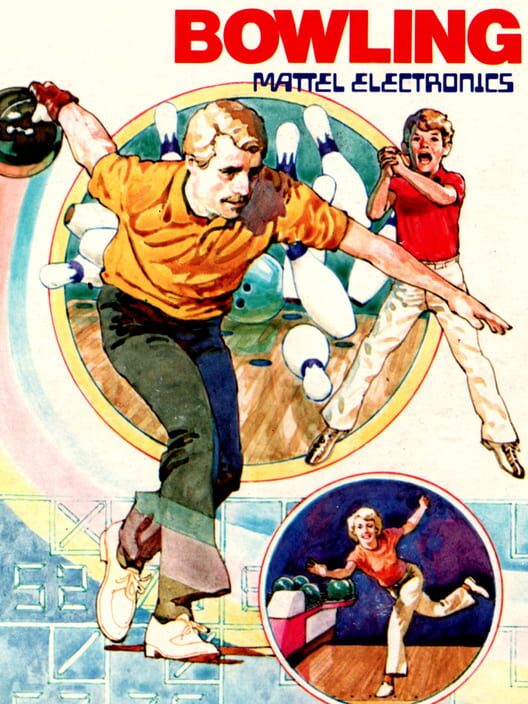
PBA Bowling
1981
-
Easter Eggs
1981
-
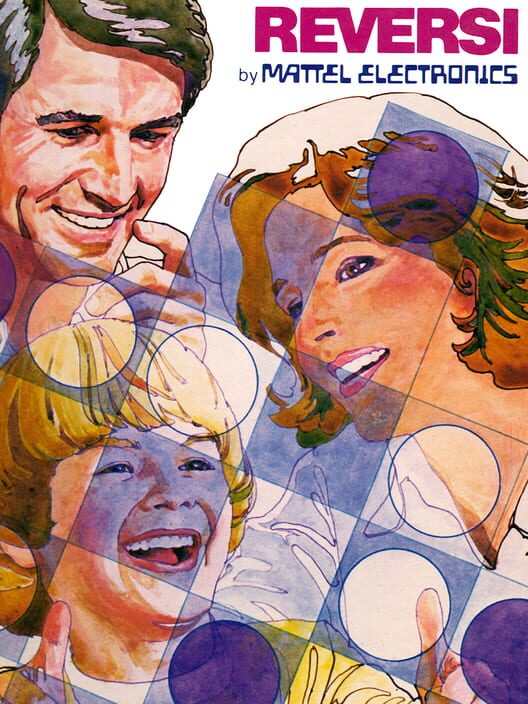
Reversi
1981
-
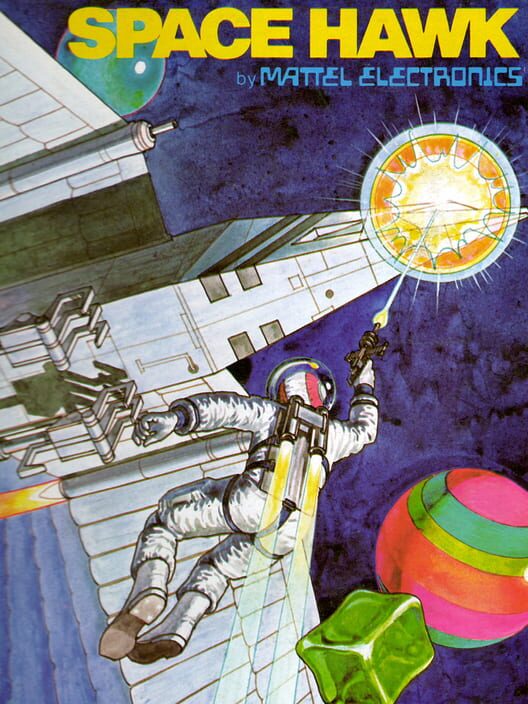
Space Hawk
1981
-
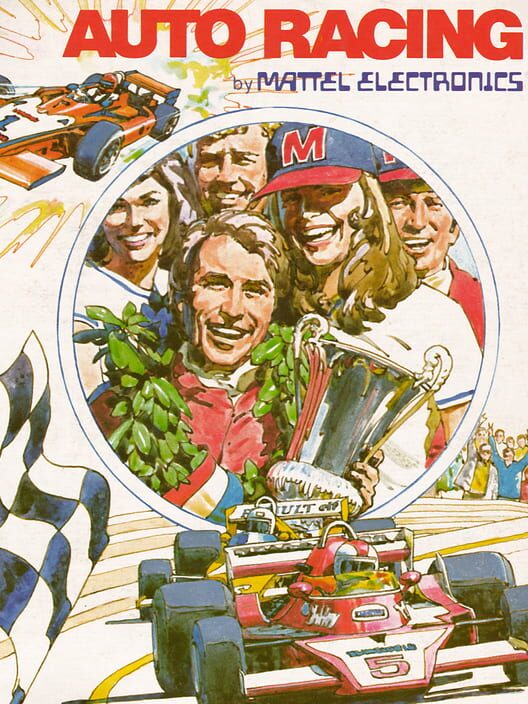
Auto Racing
1980
-
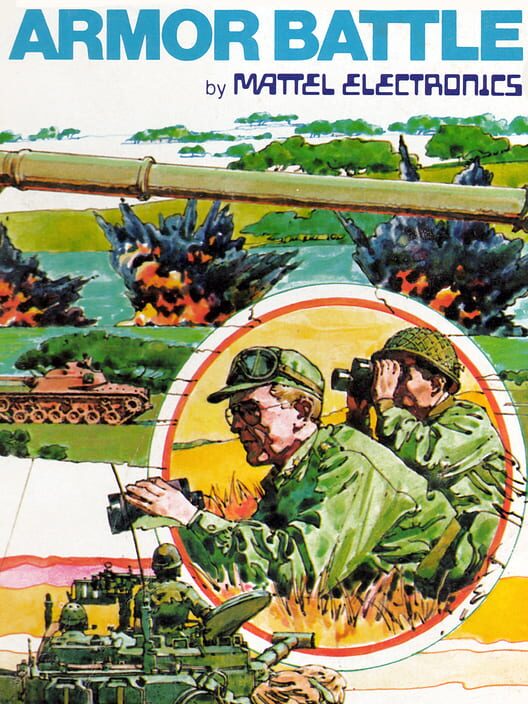
Armor Battle
1980
-
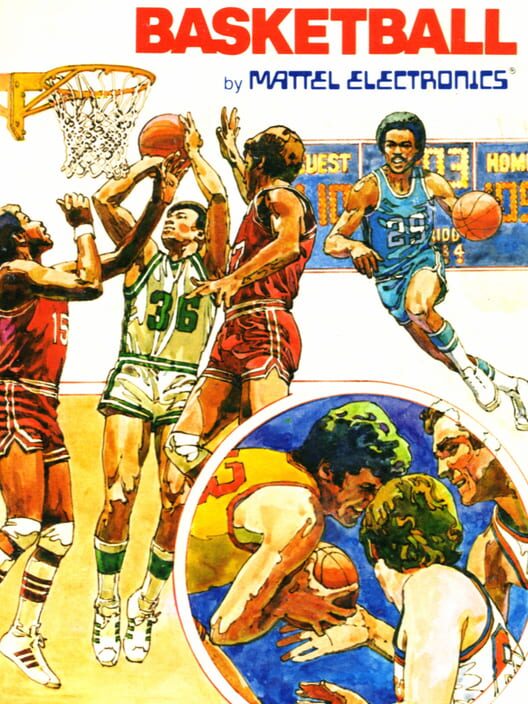
Basketball
1980
-
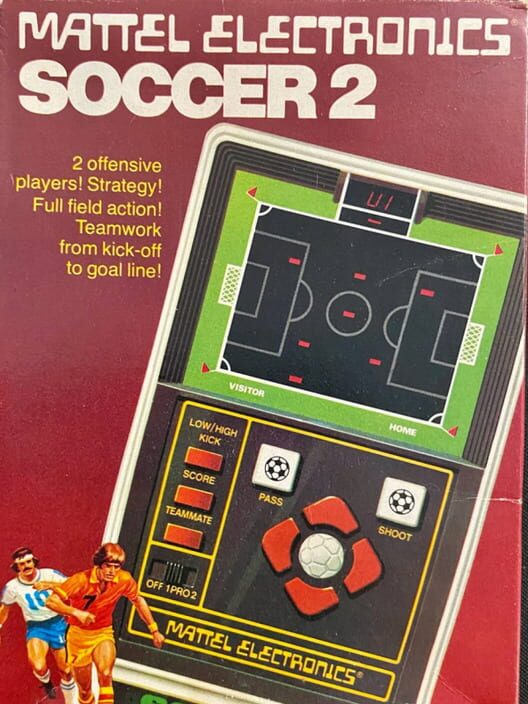
Soccer 2
1979
-
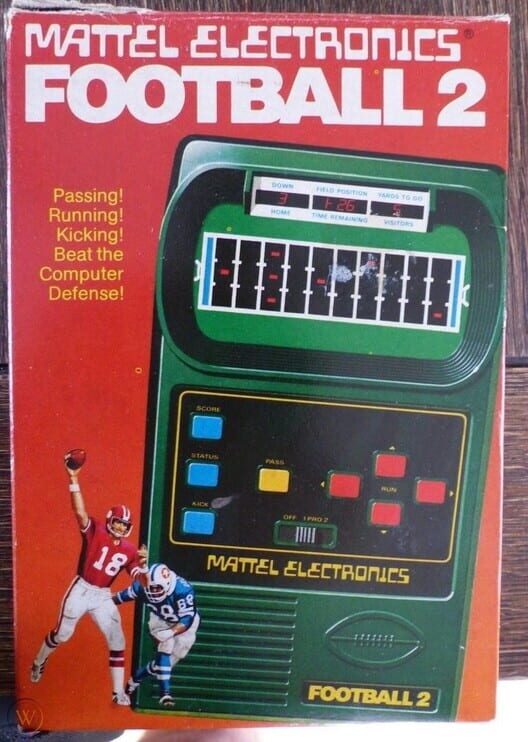
Football 2
1978
-
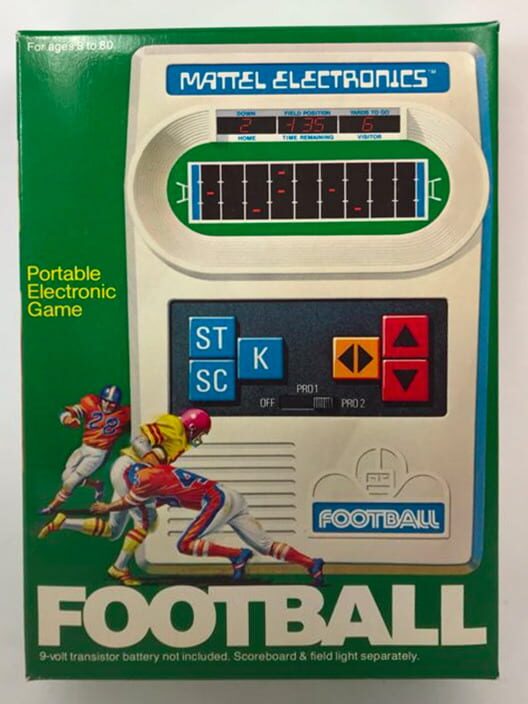
Football
1977
-
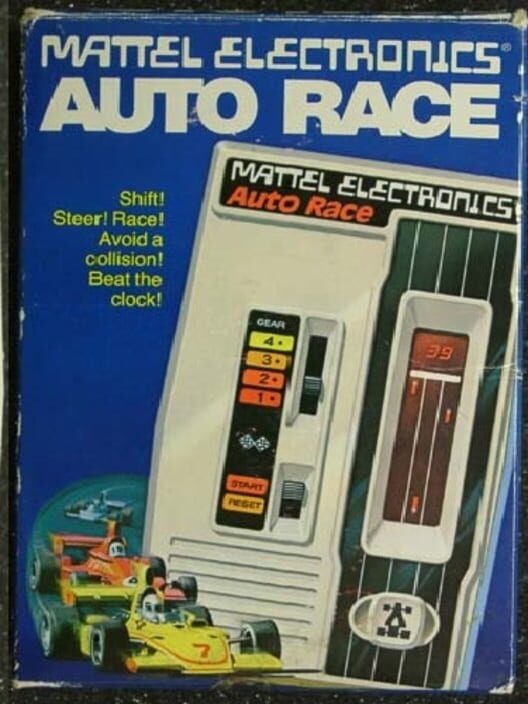
Auto Race
1976
-

Terrordactyl Carnivore
Published
-
Hot Wheels: Race Off+
2024
-
Kool-Aid Man
1983
-
Tron: Solar Sailer
1983
-
World Series Major League Baseball
1983
-
Masters of the Universe: The Power of He-Man
1983
-
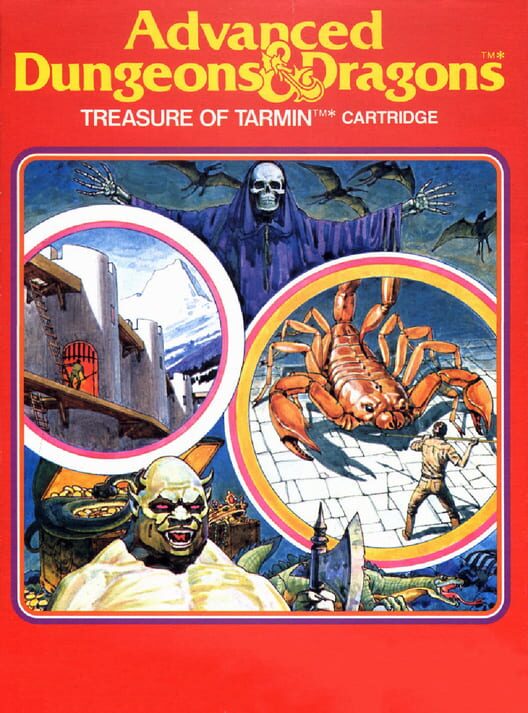
Advanced Dungeons & Dragons: Treasure of Tarmin
1983
-
Vectron
1983
-
Mr. BASIC Meets Bits 'N Bytes
1983
-
Scooby Doo's Maze Chase
1983
-
Air Raiders
1982
-
B-17 Bomber
1982
-
Tron: Deadly Discs
1982
-
Tron: Maze-A-Tron
1982
-
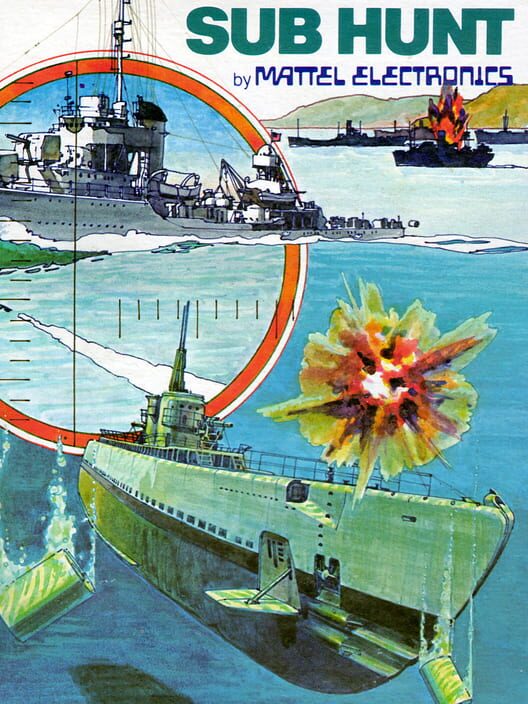
Sub Hunt
1982
-
Space Spartans
1982
-
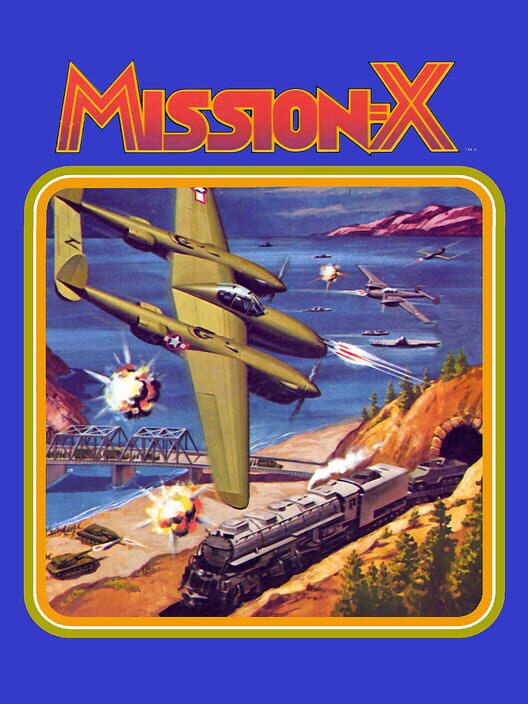
Mission X
1982
-
Buzz Bombers
1982
-
Shark! Shark!
1982
-
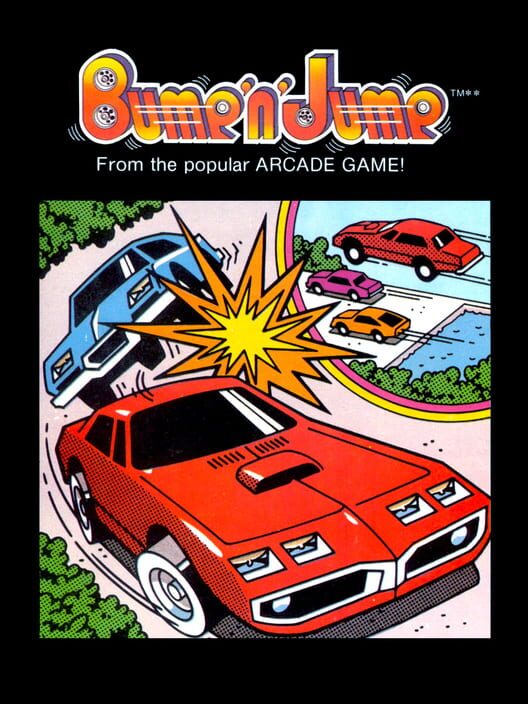
Bump 'n' Jump
1982
-
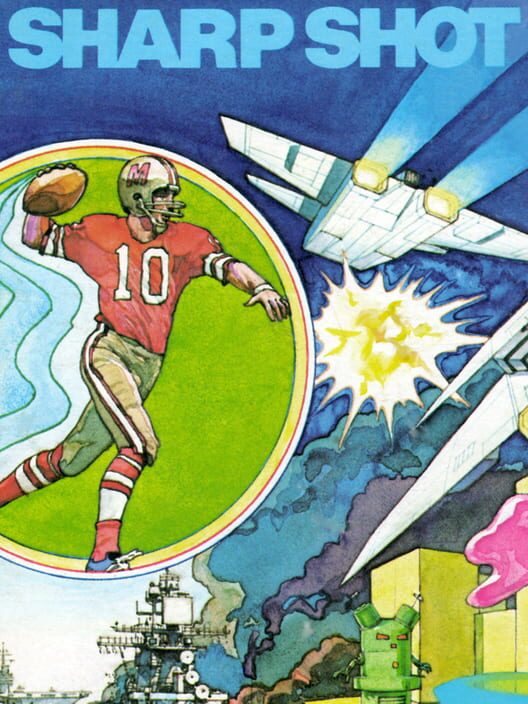
Sharp Shot
1982
-
Bomb Squad
1982
-
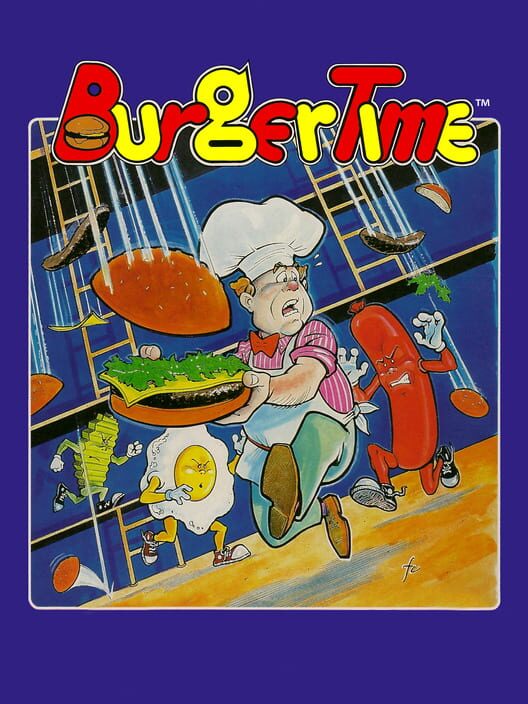
BurgerTime
1982
-
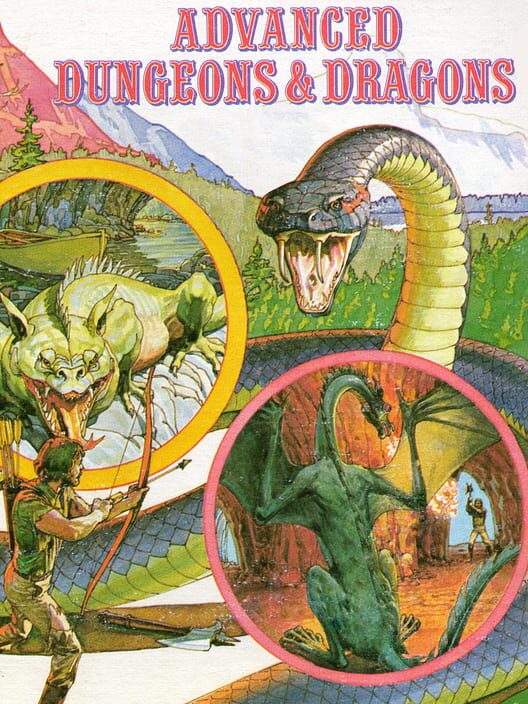
Advanced Dungeons & Dragons Cartridge
1982
-
Utopia
1982
-
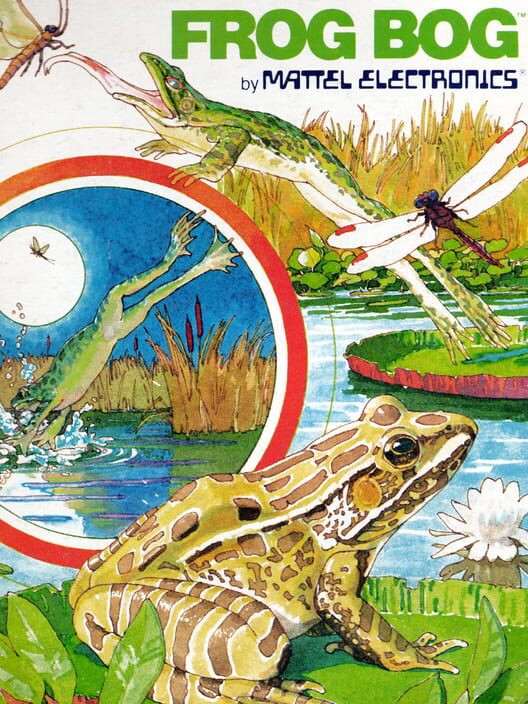
Frog Bog
1982
-
Night Stalker
1982
-
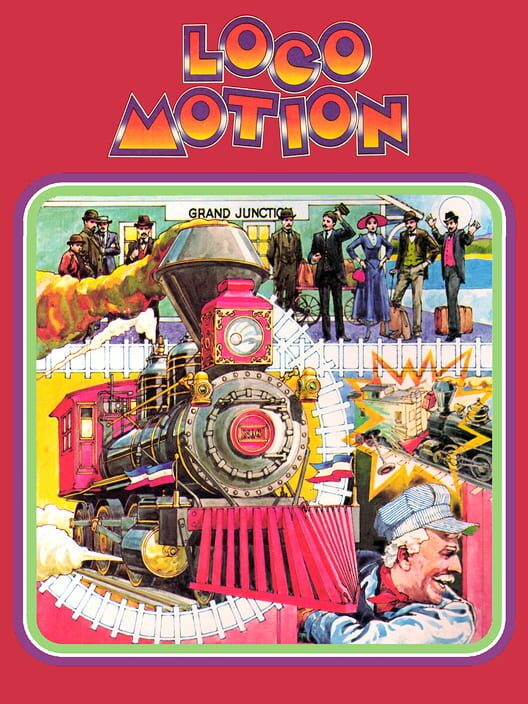
Loco-Motion
1982
-

Star Strike
1981
-
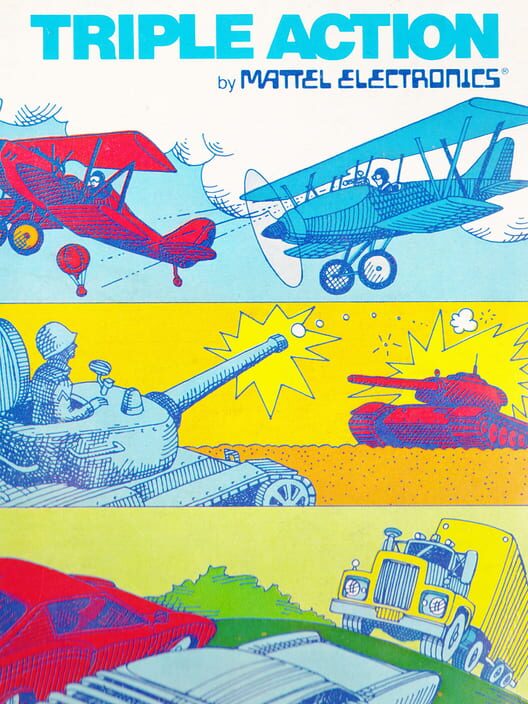
Triple Action
1981
-
Boxing
1981
-
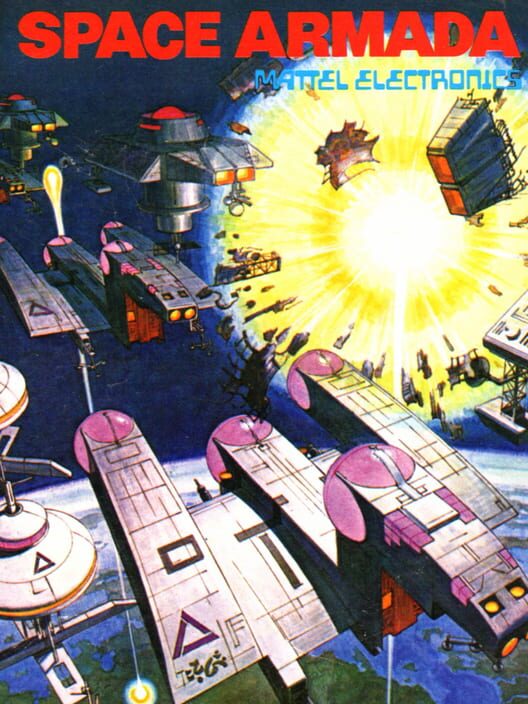
Space Armada
1981
-
Astrosmash
1981
-
Snafu
1981
-
Dungeons & Dragons Computer Fantasy Game
1981
-
PBA Bowling
1981
-
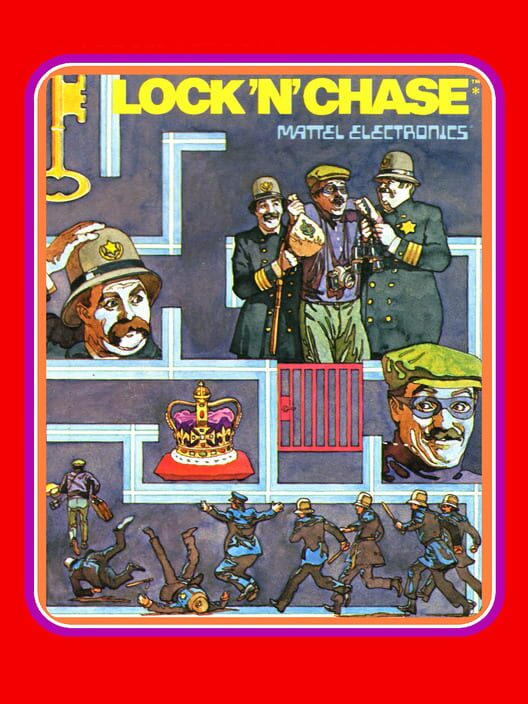
Lock 'n' Chase
1981
-
Easter Eggs
1981
-
Reversi
1981
-
Space Hawk
1981
-
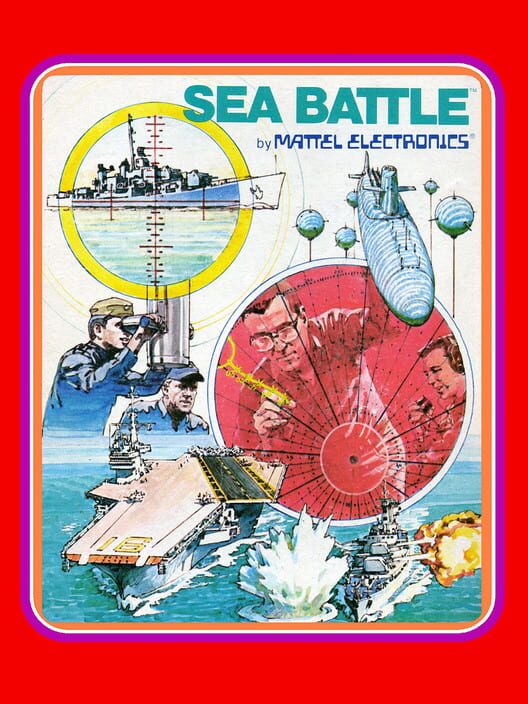
Sea Battle
1980
-
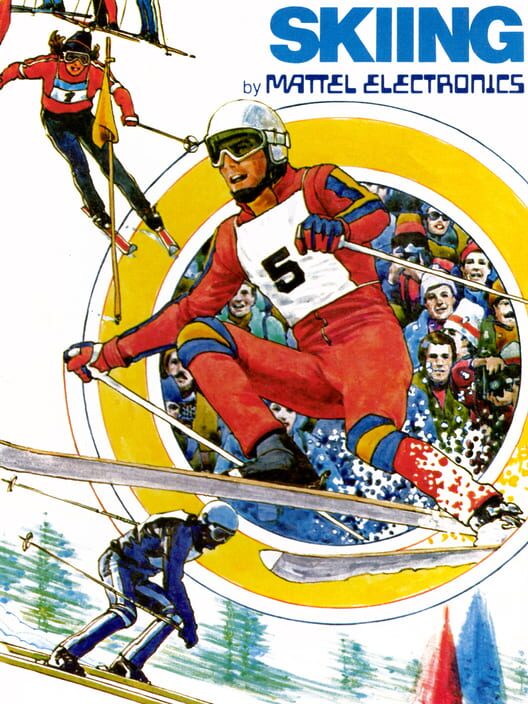
Skiing
1980
-
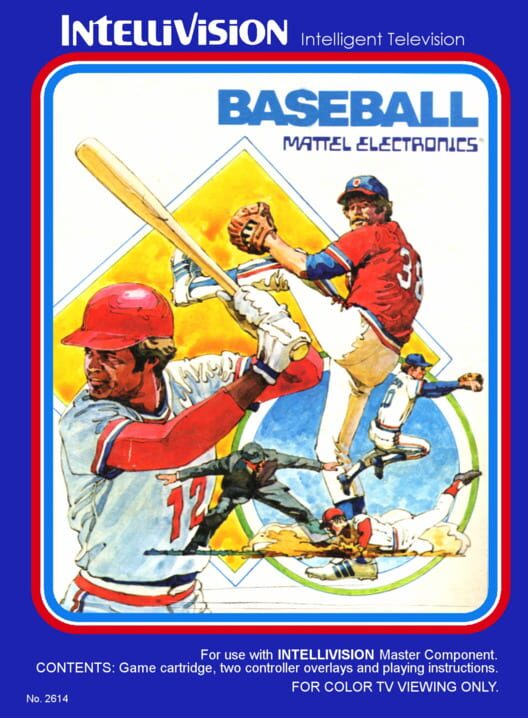
Major League Baseball
1980
-
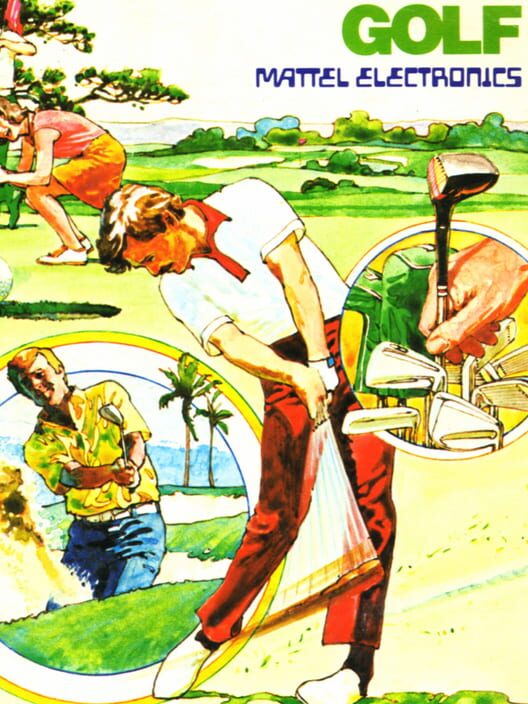
PGA Golf
1980
-
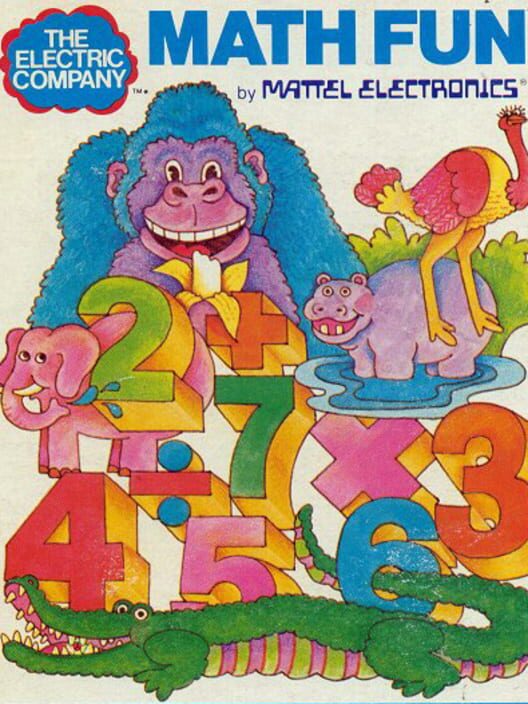
The Electric Company Math Fun
1980
-
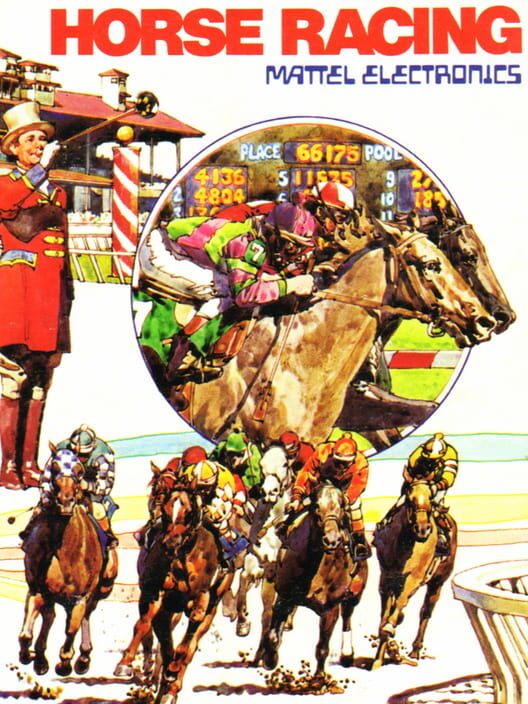
Horse Racing
1980
-
Auto Racing
1980
-
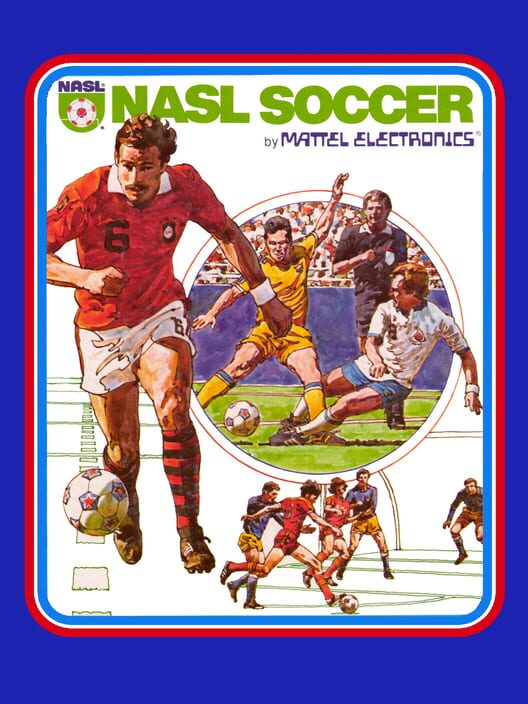
NASL Soccer
1980
-
Armor Battle
1980
-
Basketball
1980
-
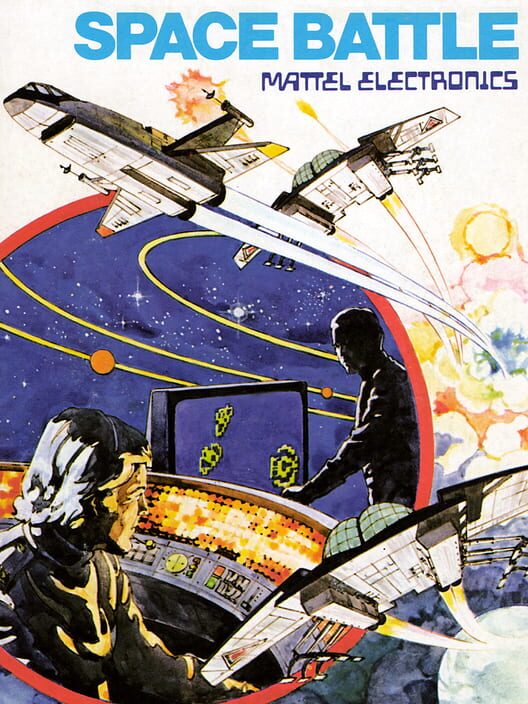
Space Battle
1979
-
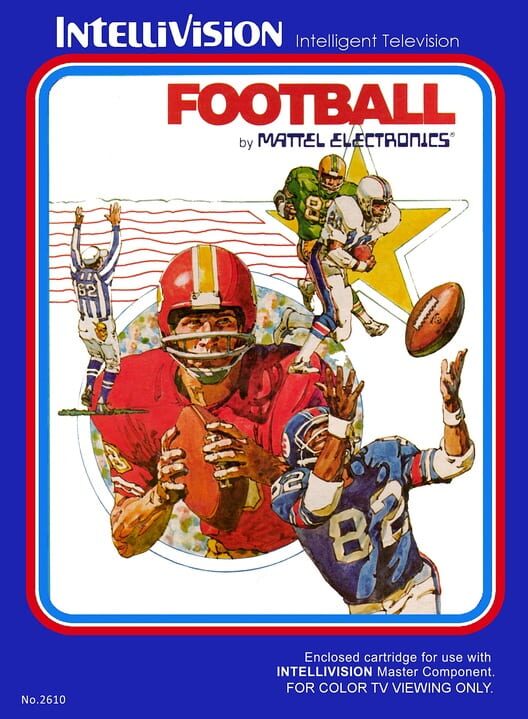
NFL Football
1979
-
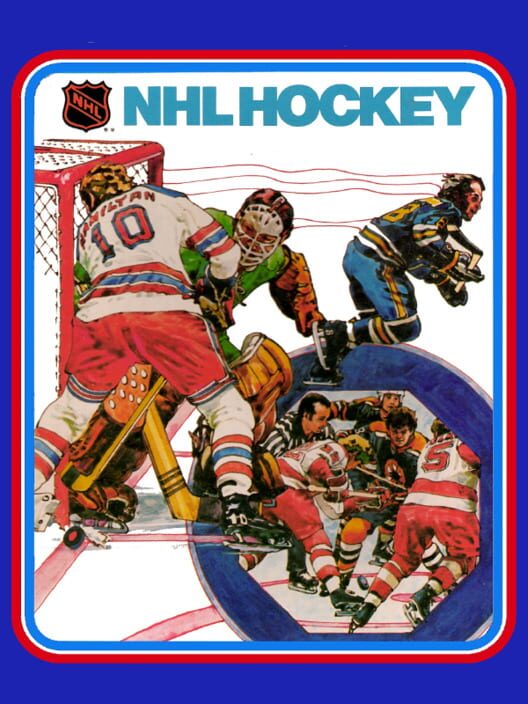
NHL Hockey
1979
-
Soccer 2
1979
-
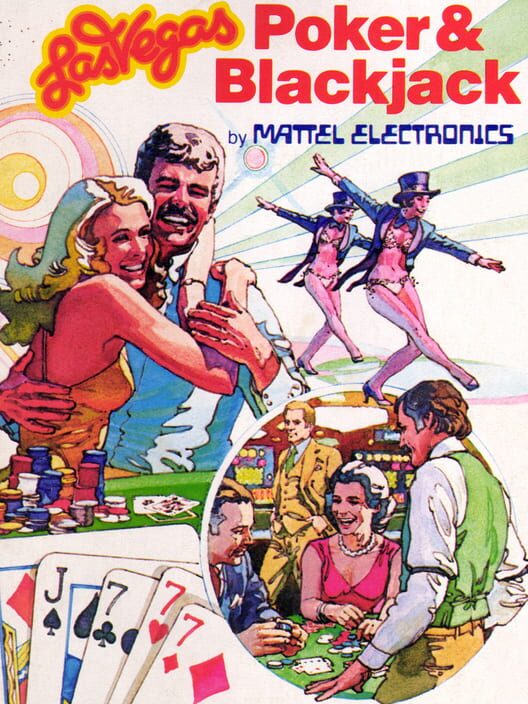
Las Vegas Poker & Blackjack
1979
-
Football 2
1978
-
Football
1977
-
Auto Race
1976
-
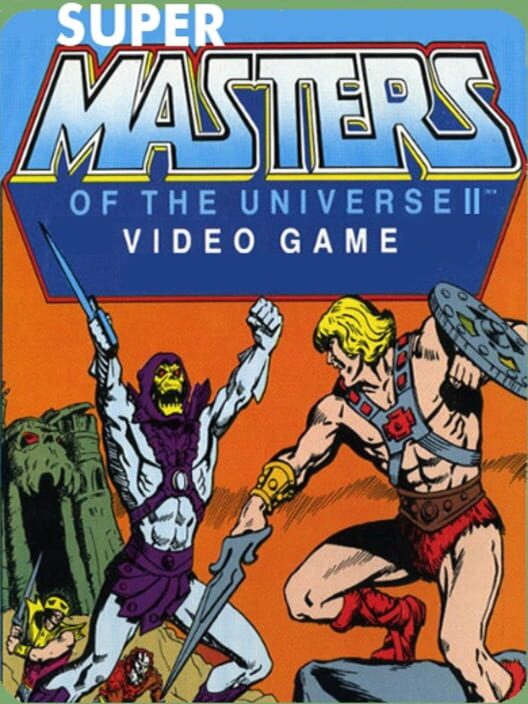
Masters of the Universe II: Super Masters!
-
Terrordactyl Carnivore