
- Status
- Active
- Founded
- Founded August 24, 1953
- Country
- Japan
- Parent
- Part of Square Enix
Taito Corporation is a Japanese company that specializes in video games, toys, arcade cabinets and game centers, based out of Shinjuku, Tokyo. The company was founded by Michael Kogan in 1953 as the Taito Trading Company, importing vodka, vending machines and jukeboxes into Japan. It began production of video games in 1973. In 2005, Taito was purchased by Square Enix, becoming a wholly owned subsidiary by 2006. Taito is recognized as an important player in the early days of video games, producing several hit games such as Space Invaders, Bubble Bobble, Lufia, Arkanoid, and Darius. Alongside Konami, Namco and Sega, it is one of the most prominent video game companies from Japan and the first that exported its games into other countries. Several of its games have since been recognized as important and revolutionary for the industry - Space Invaders in particular was a major contributor to the growth of video games in the mid-1970s, and the aliens featured in the games are seen as iconic emblems within the video game industry. The company maintains a chain of arcade centers, known as "Game Taito Stations", across Japan, alongside being a manufacturer of toys, plush dolls and UFO-catcher prizes.
Taito Corporation is a Japanese company that specializes in video games, toys, arcade cabinets and game centers, based out of Shinjuku, Tokyo. The company was founded by Michael Kogan in 1953 as the Taito Trading Company, importing vodka, vending machines and jukeboxes into Japan. It began production of video games in 1973. In 2005, Taito was purchased by Square Enix, becoming a wholly owned subsidiary by 2006. Taito is recognized as an important player in the early days of video games, producing several hit games such as Space Invaders, Bubble Bobble, Lufia, Arkanoid, and Darius. Alongside Konami, Namco and Sega, it is one of the most prominent video game companies from Japan and the first that exported its games into other countries. Several of its games have since been recognized as important and revolutionary for the industry - Space Invaders in particular was a major contributor to the growth of video games in the mid-1970s, and the aliens featured in the games are seen as iconic emblems within the video game industry. The company maintains a chain of arcade centers, known as "Game Taito Stations", across Japan, alongside being a manufacturer of toys, plush dolls and UFO-catcher prizes.
Developed
-
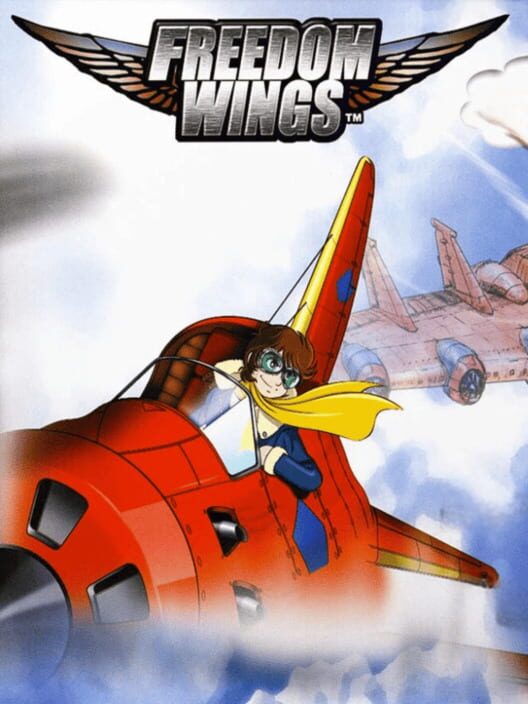
Freedom Wings
2006
-
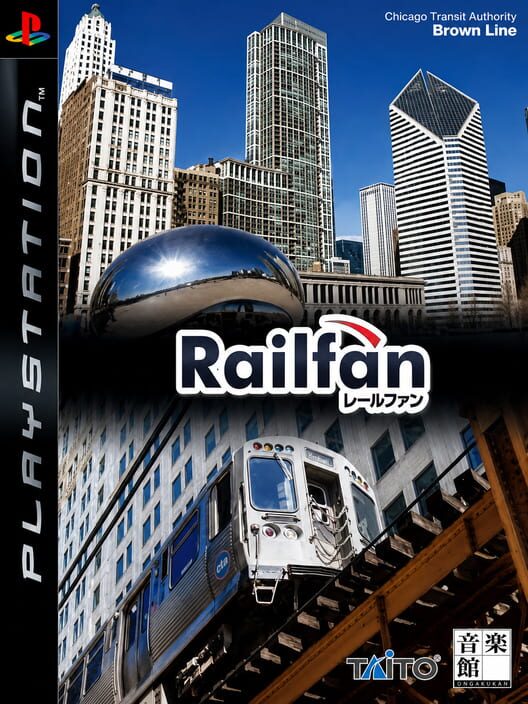
Railfan
2006
-
Exit 2
2006
-
Chase H.Q. 3D
2006
-
Elevator Action 3D
2006
-

Cooking Mama
2006
-

Bust-a-Move: Deluxe
2006
-
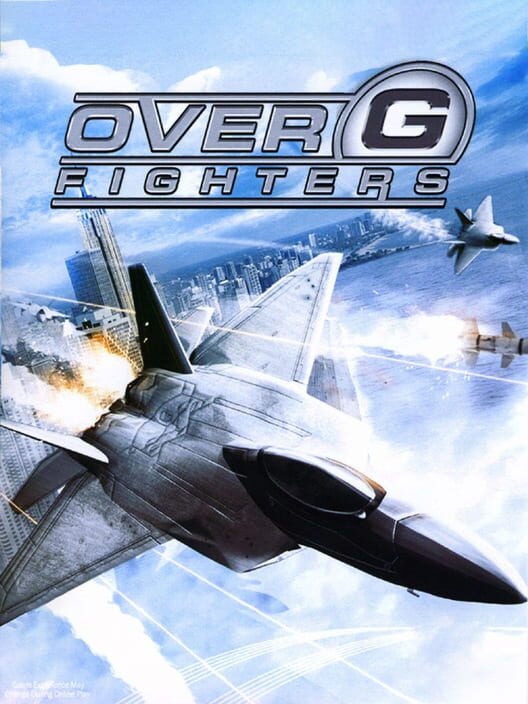
Over G Fighters
2006
-
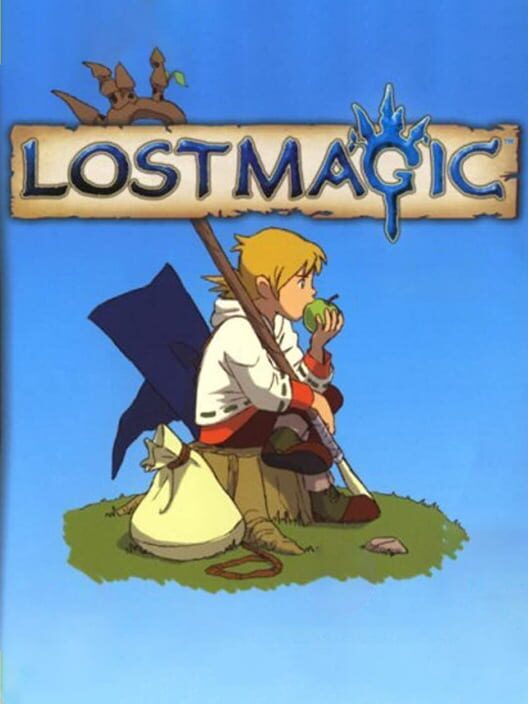
LostMagic
2006
-
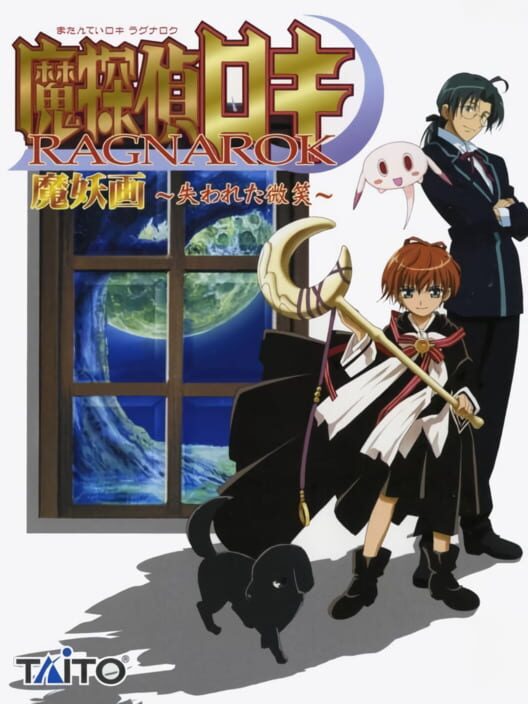
Matantei Loki Ragnarok Mayoukaku: Ushinawareta Bishou
2005
-
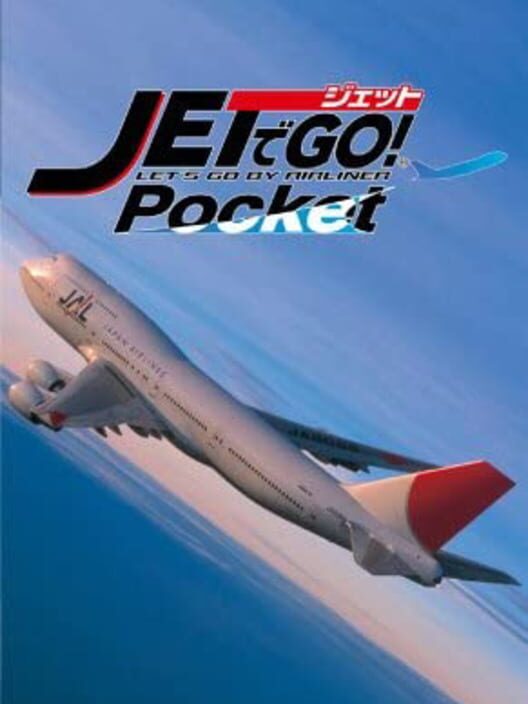
Jet de GO! Pocket
2005
-
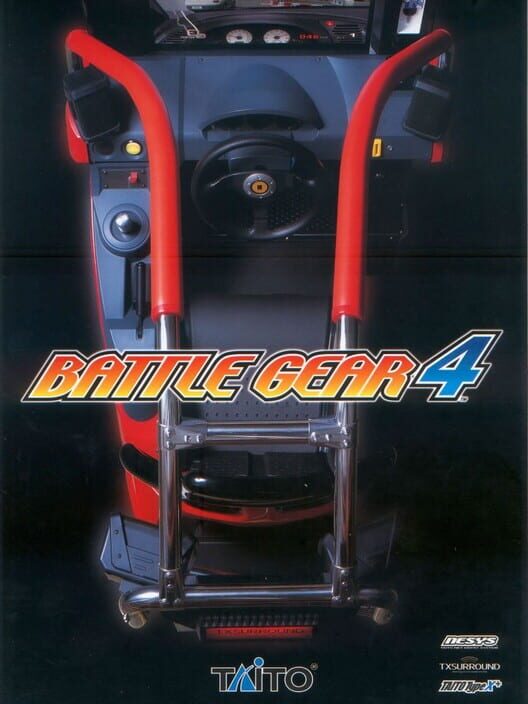
Battle Gear 4
2005
-
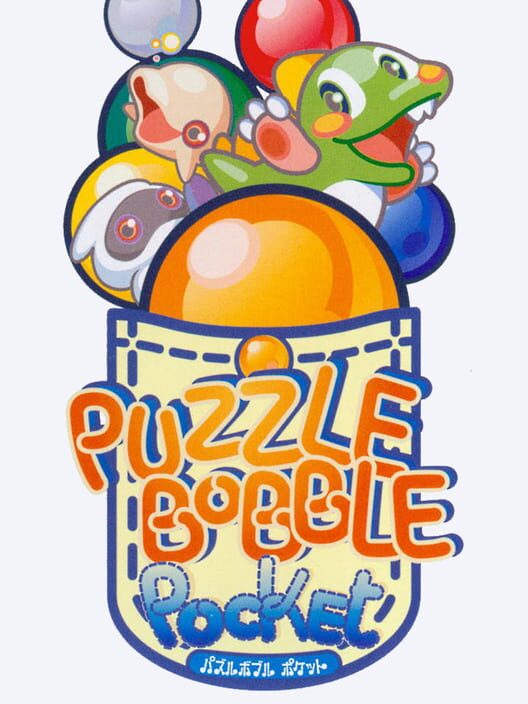
Puzzle Bobble Pocket
2004
-
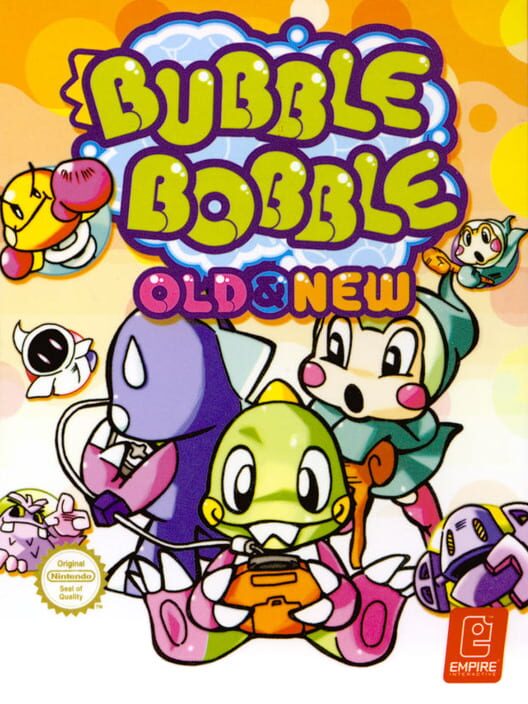
Bubble Bobble: Old & New
2004
-
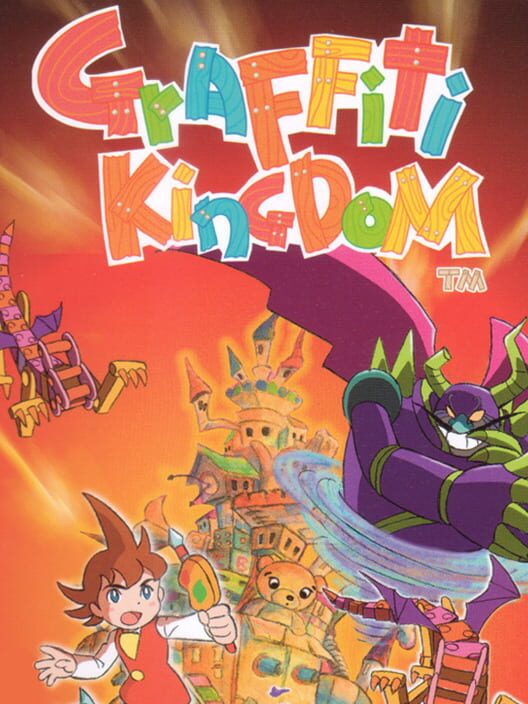
Graffiti Kingdom
2004
-
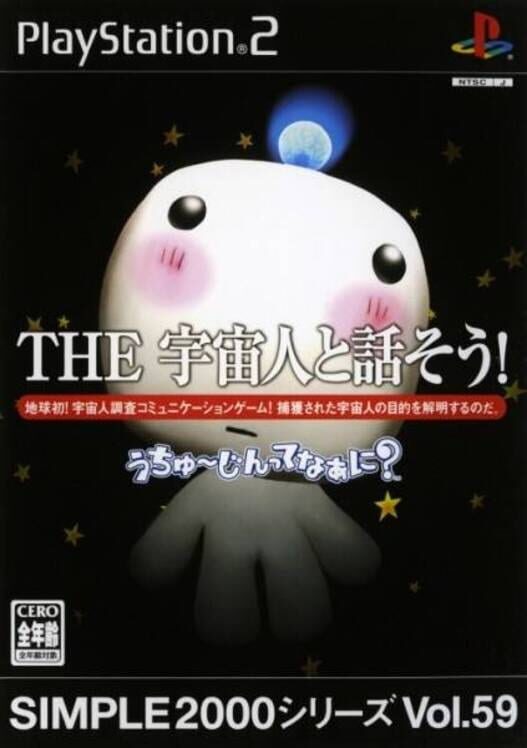
Simple 2000 Series Vol. 59: The Uchuujin to Hanasou! Uchuujin-tte Naani?
2004
-

Spider-Man 2 Pinball
2004
-
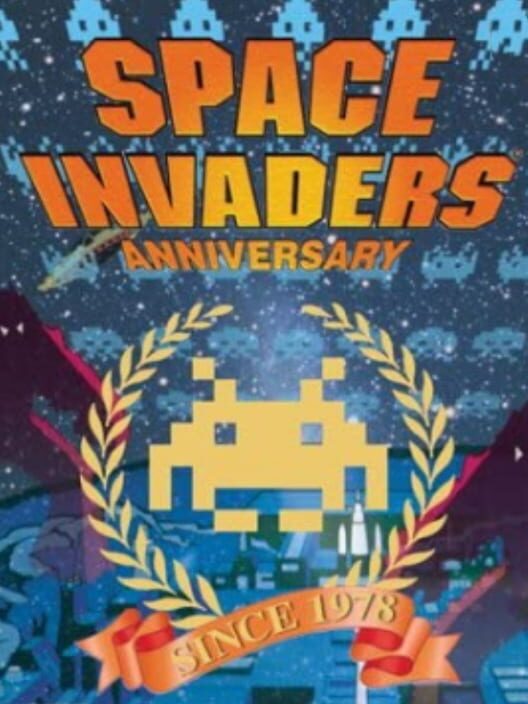
Space Invaders Anniversary
2003
-
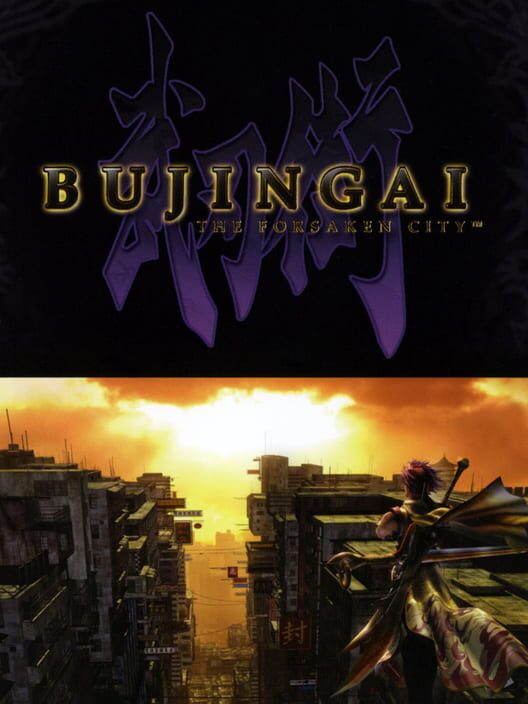
Bujingai: The Forsaken City
2003
-
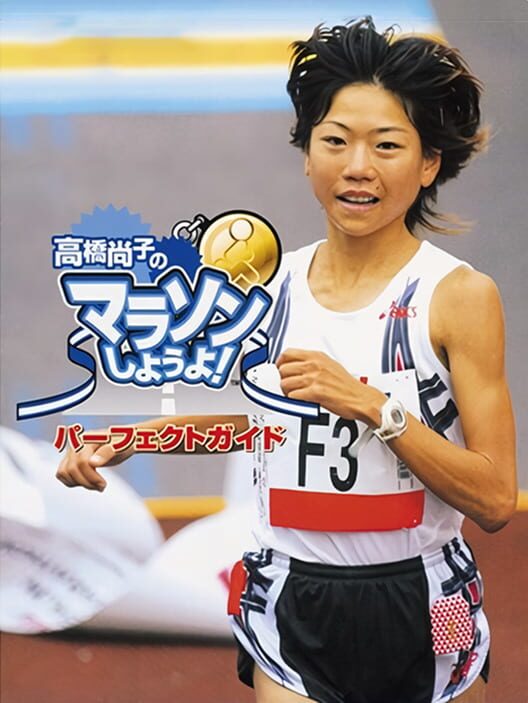
Takahashi Naoko no Marathon Shiyouyo
2003
-
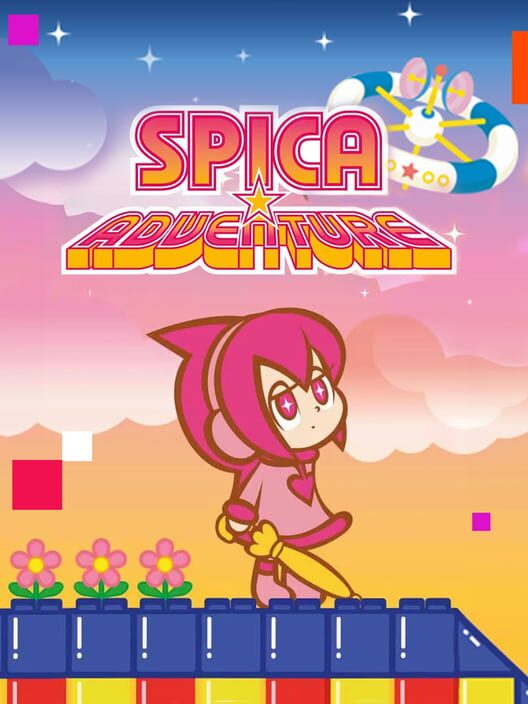
Spica Adventure
2003
-

Energy Airforce: aimStrike!
2003
-
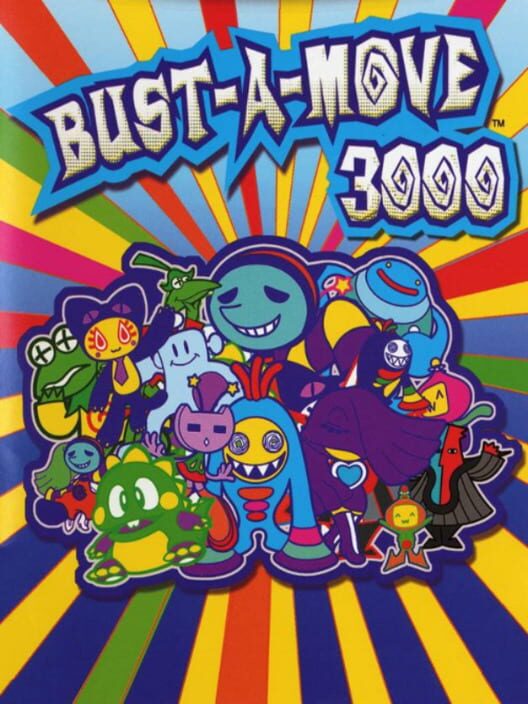
Bust-A-Move 3000
2003
-
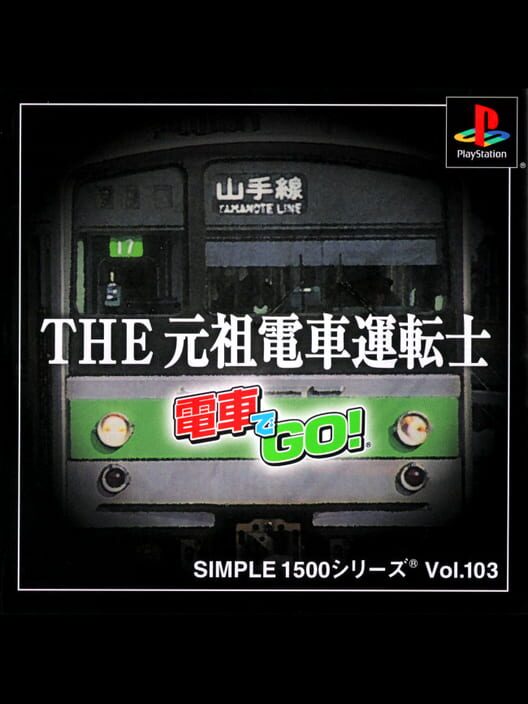
Simple 1500 Series Vol. 103: The Ganso Densha Utenshi - Densha De Go!
2003
-
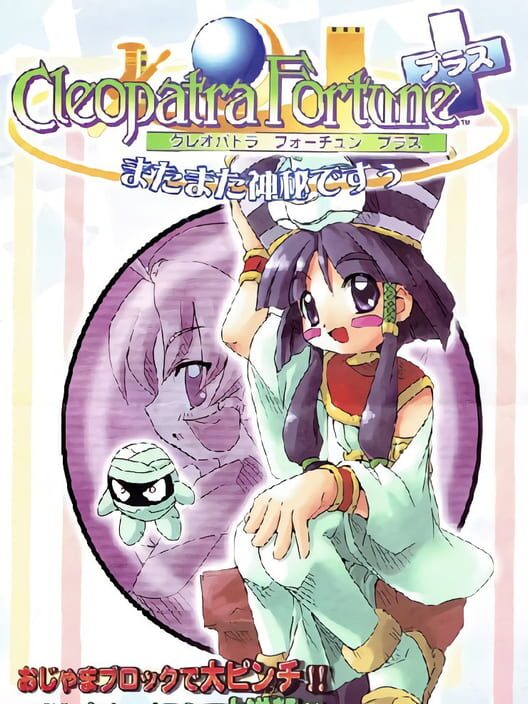
Cleopatra Fortune Plus
2002
-
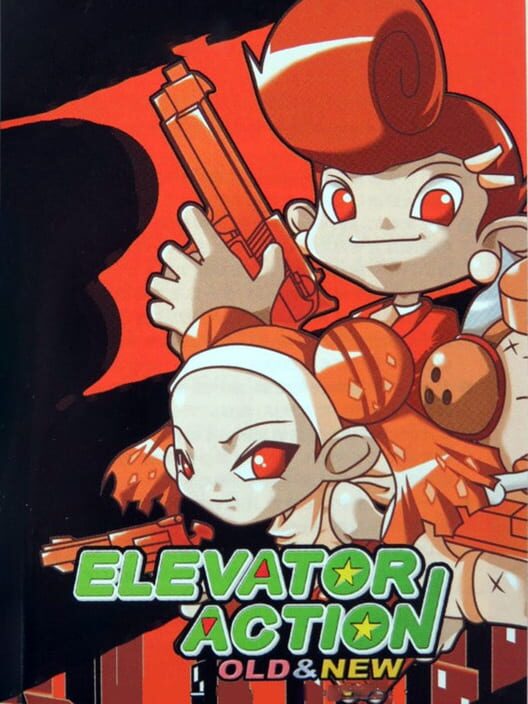
Elevator Action: Old & New
2002
-

Space Raiders
2002
-
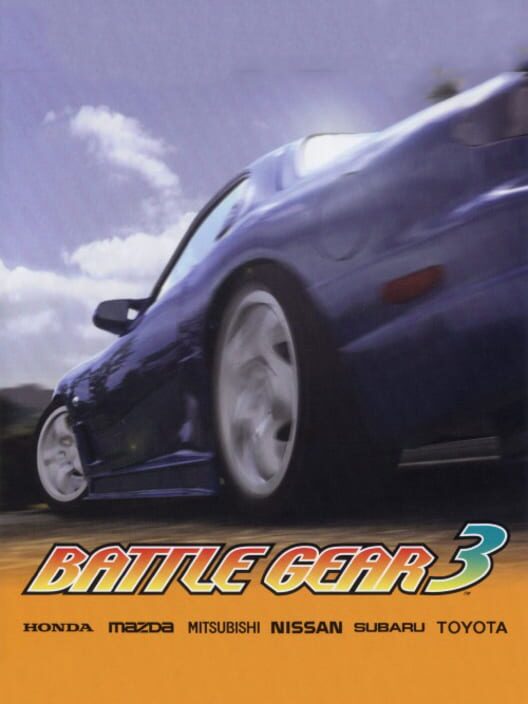
Battle Gear 3
2002
-
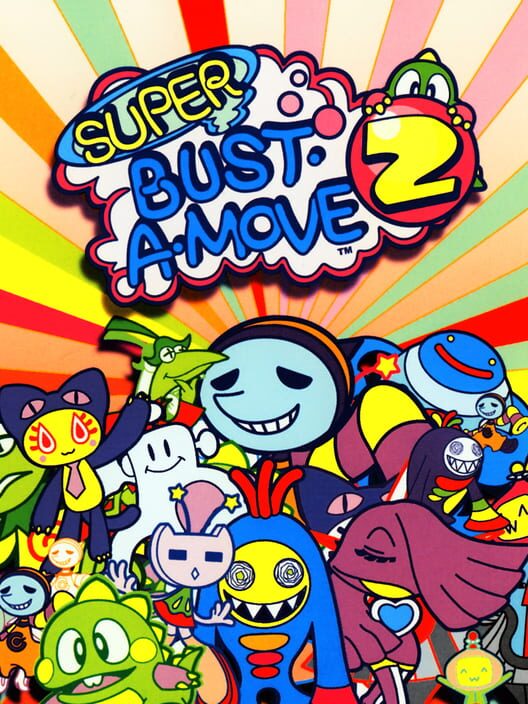
Super Bust-A-Move 2
2002
-
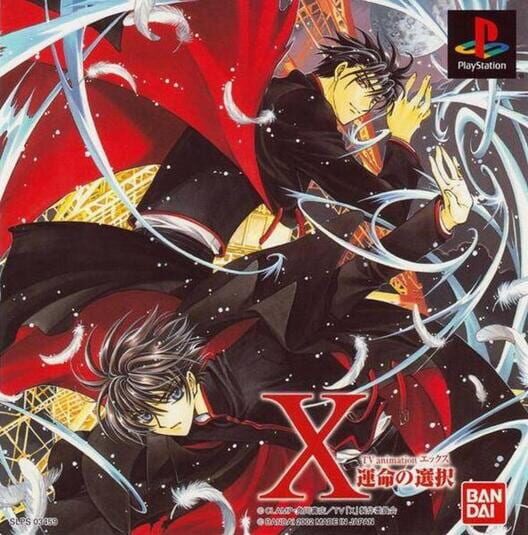
TV Animation X - Unmei No Tatakai
2002
-
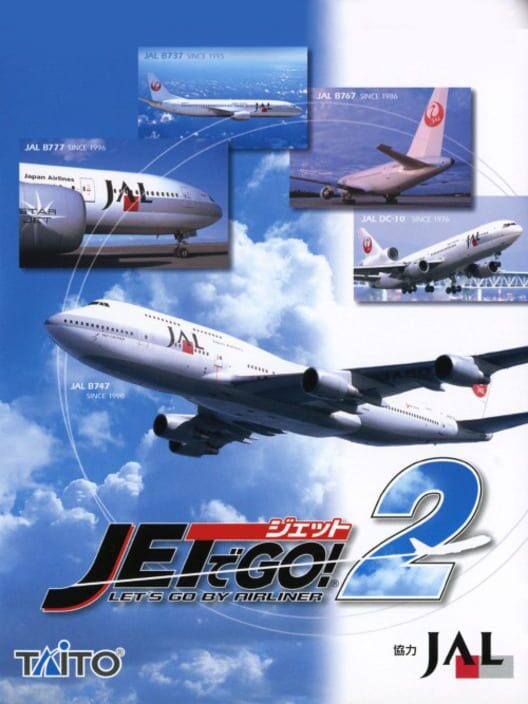
Jet de GO! 2: Let's Go by Airliner
2002
-
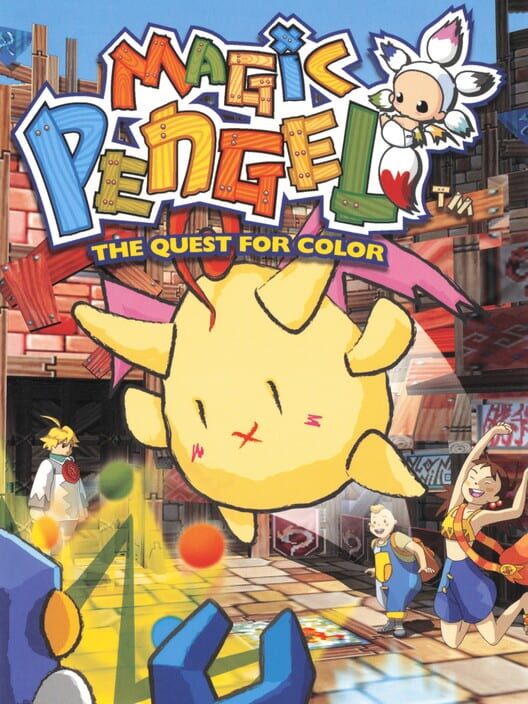
Magic Pengel: The Quest for Color
2002
-
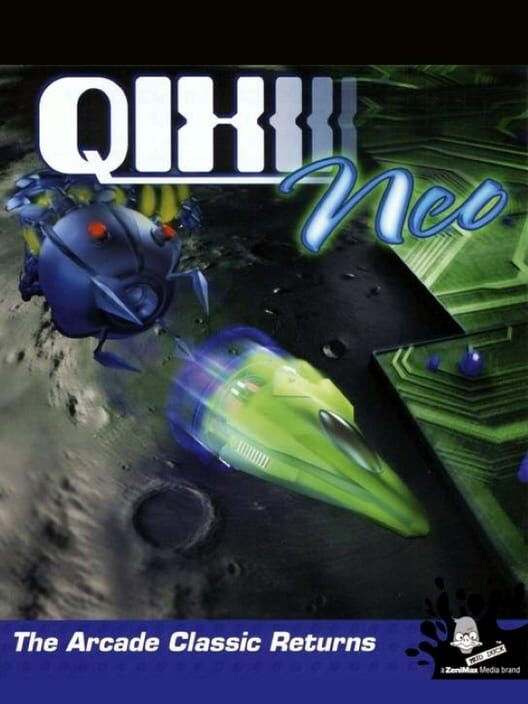
Qix Neo
2001
-
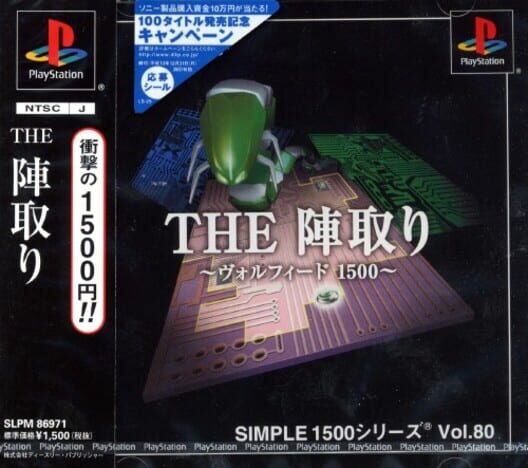
Simple 1500 Series Vol. 80: The Jintori - Volfied 1500
2001
-
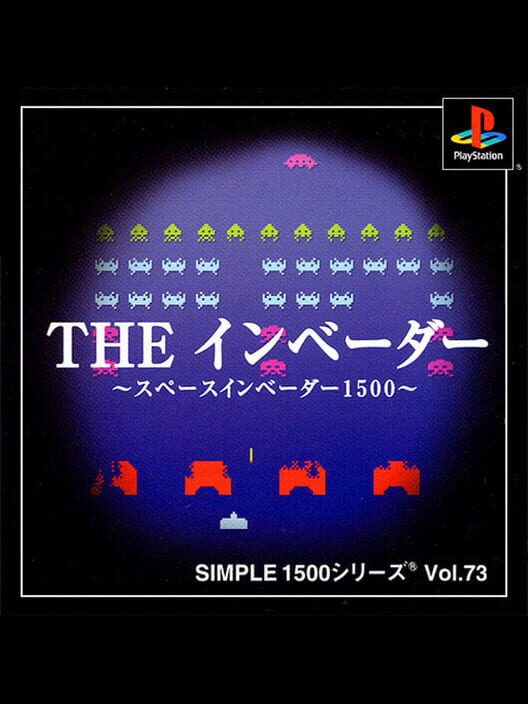
Simple 1500 Series Vol. 73: The Invaders - Space Invaders 1500
2001
-
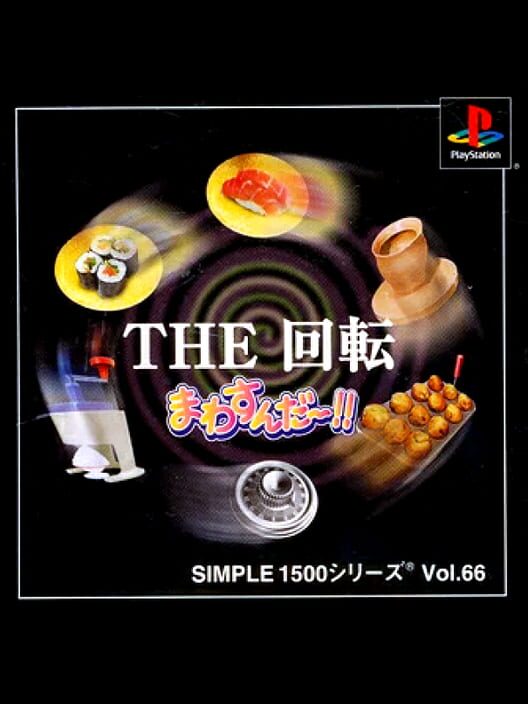
Simple 1500 Series Vol. 66: The Kaiten - Mawasun Da!!
2001
-
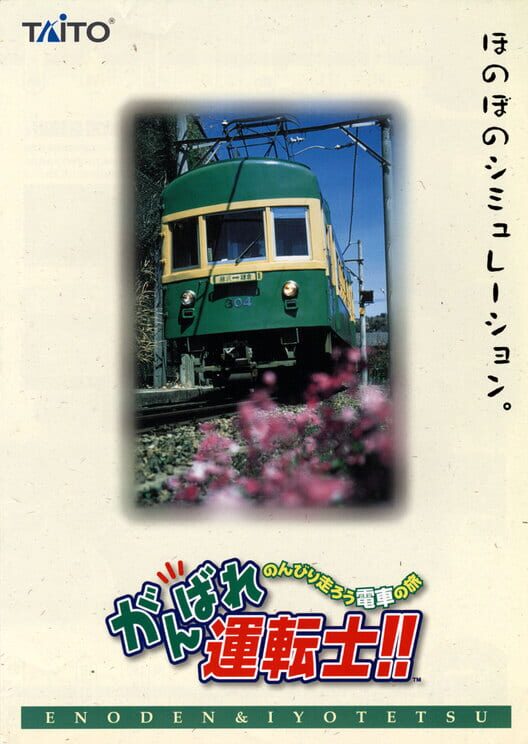
Ganbare Untenshi!!
2000
-
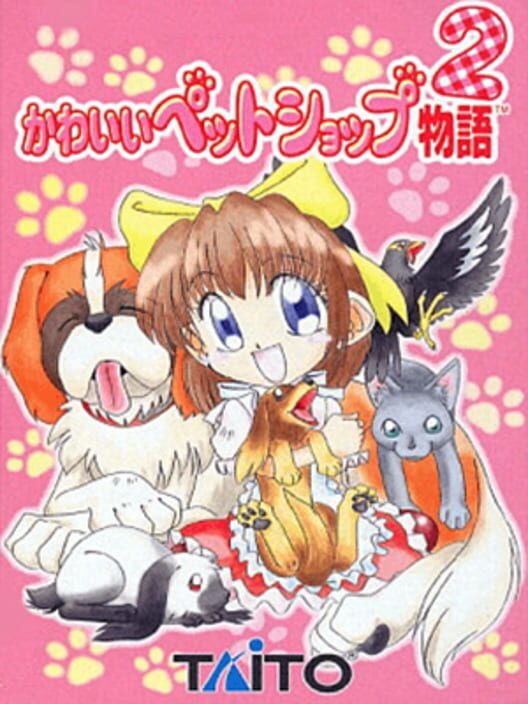
Kawaii Pet Shop Monogatari 2
2000
-
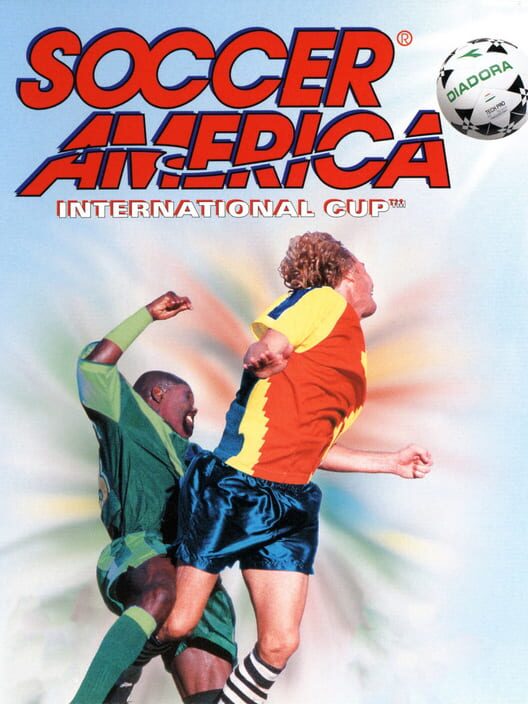
Soccer America International Cup
2000
-
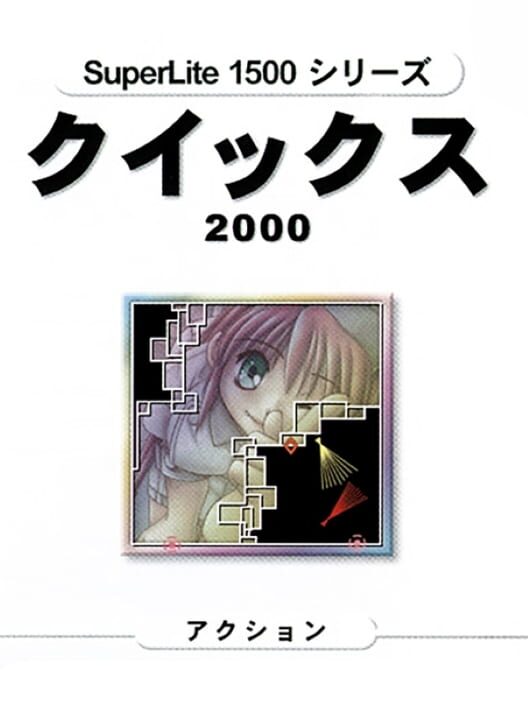
SuperLite 1500 Series: Qix 2000
2000
-
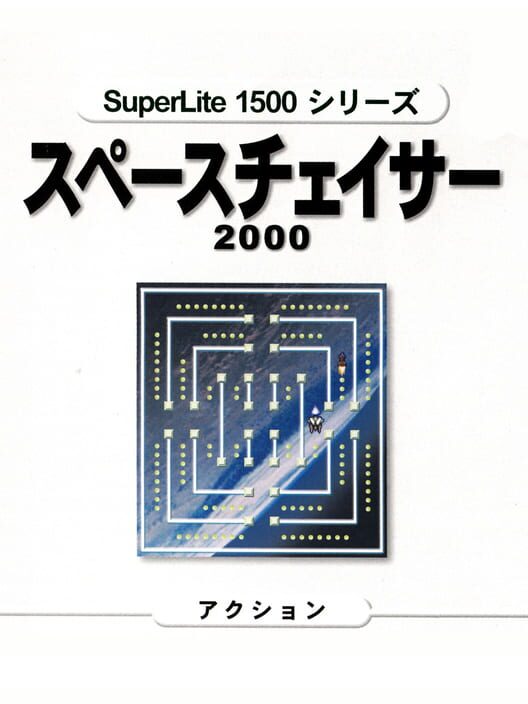
SuperLite 1500 Series: Space Chaser 2000
2000
-
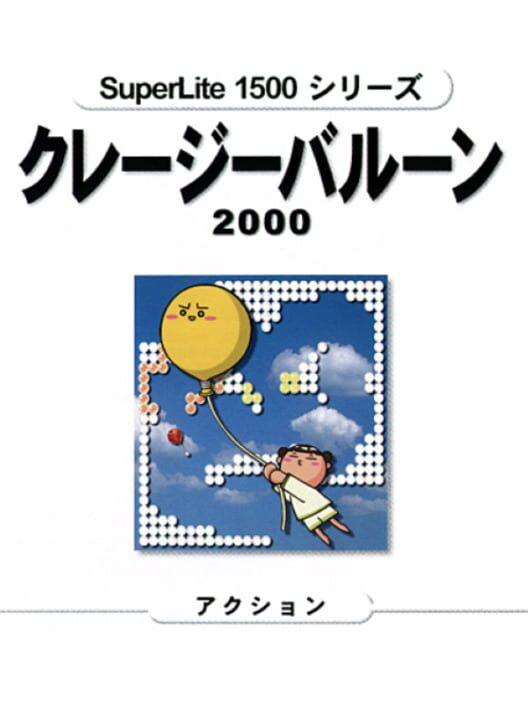
SuperLite 1500: Crazy Balloon 2000
2000
-
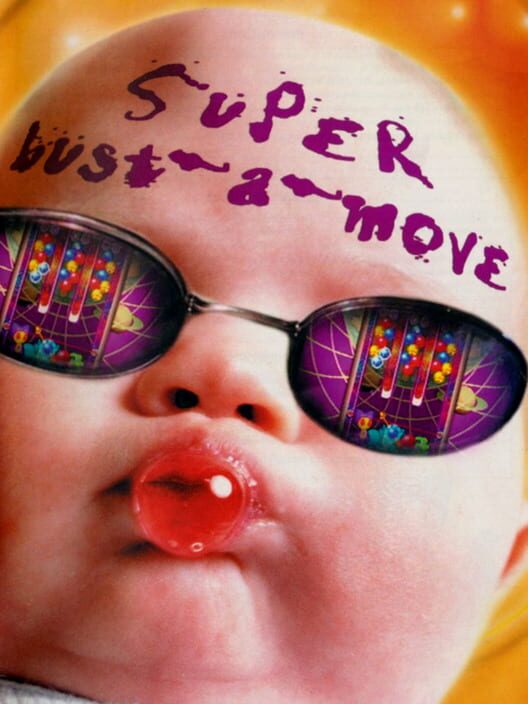
Super Bust-A-Move
2000
-
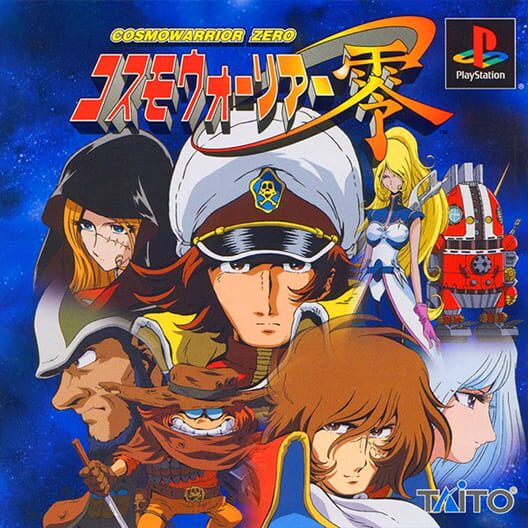
CosmoWarrior Zero
2000
-
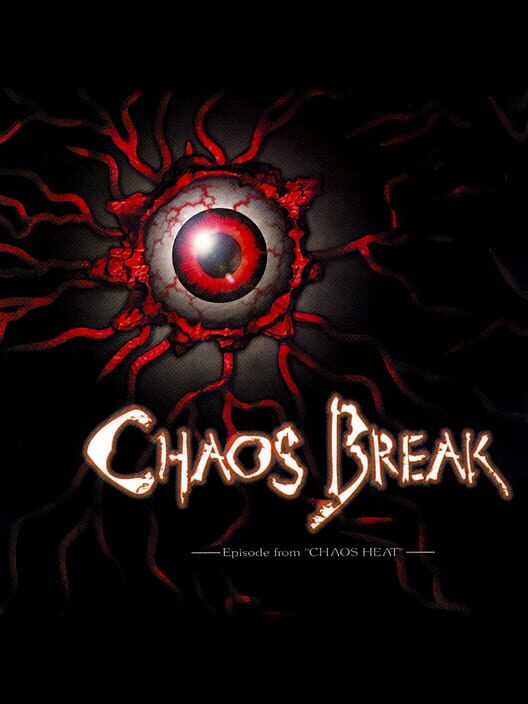
Chaos Break
2000
-

Power Shovel
1999
-
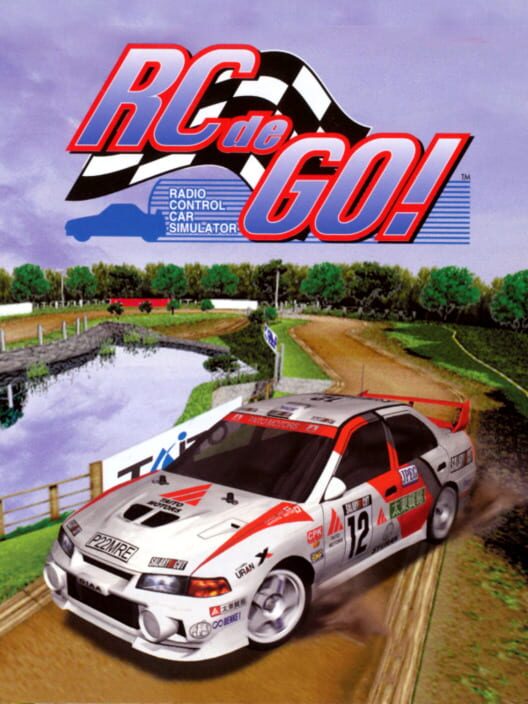
RC de GO!
1999
-
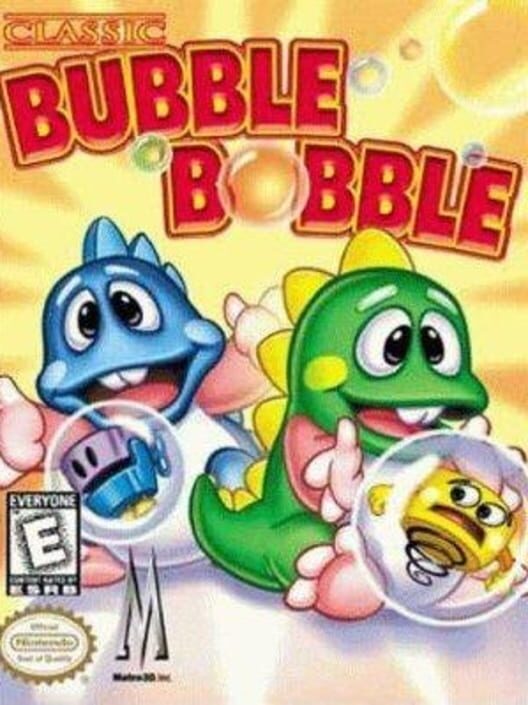
Classic Bubble Bobble
1999
-
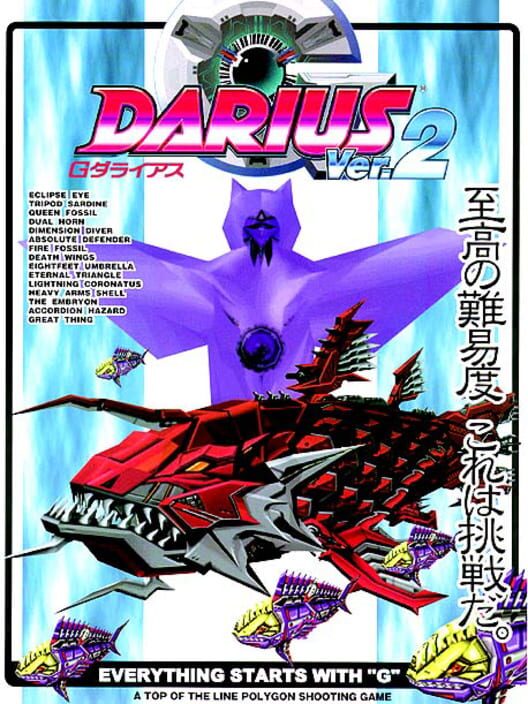
G-Darius Ver.2
1999
-
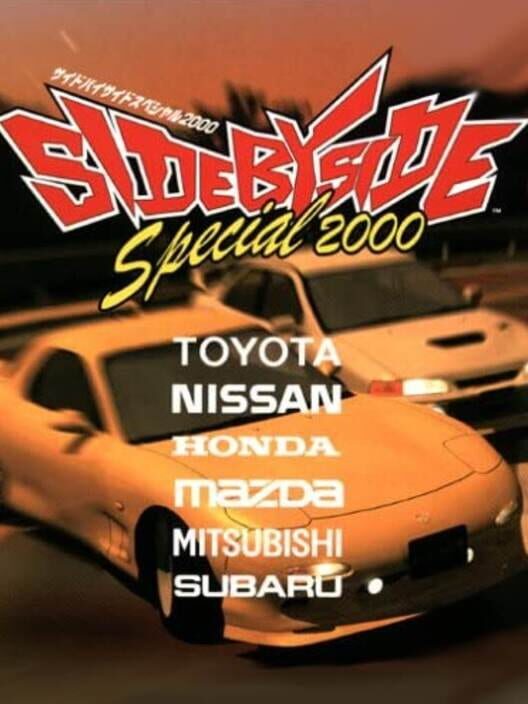
Side by Side Special 2000
1999
-
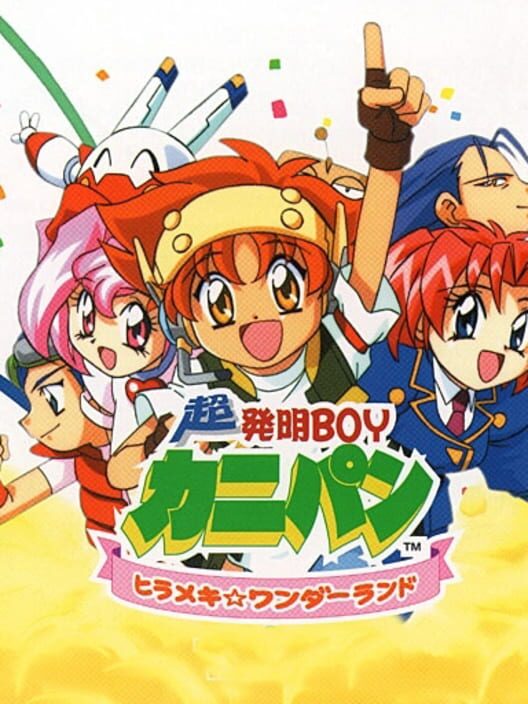
Chou Hatsumei Boy Kanipan: Hirameki Wonderland
1999
-
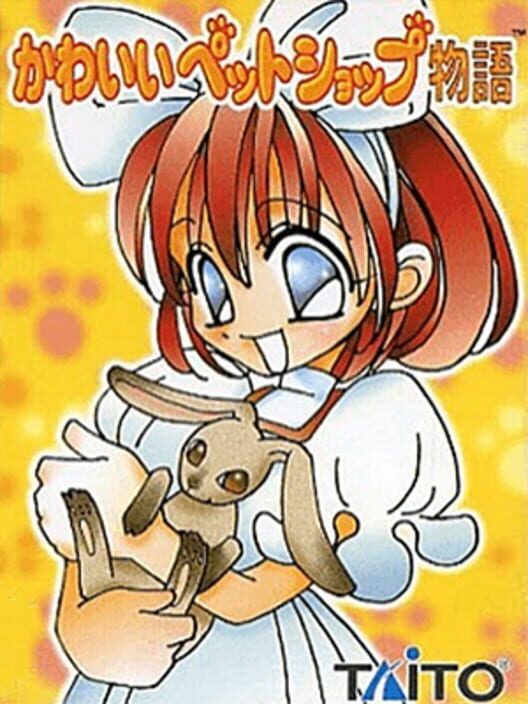
Kawaii Pet Shop Monogatari
1999
-
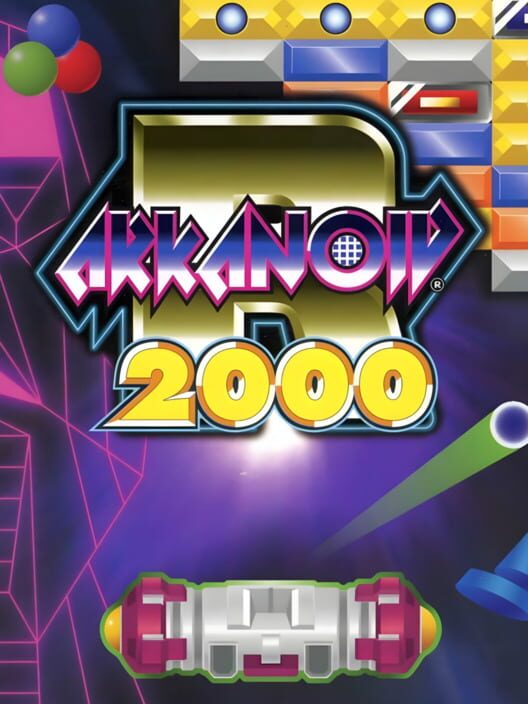
Arkanoid R 2000
1999
-
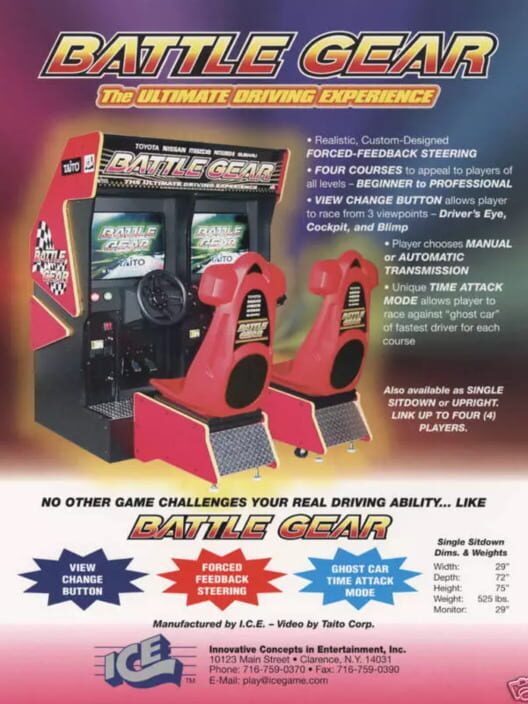
Battle Gear
1999
-
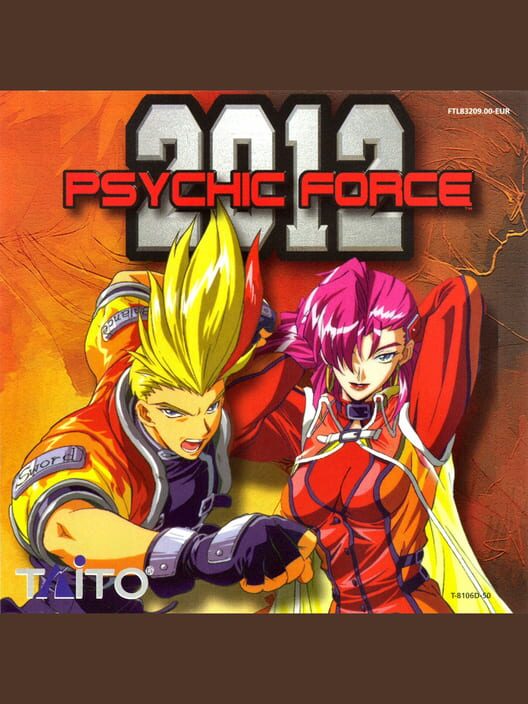
Psychic Force 2012
1998
-
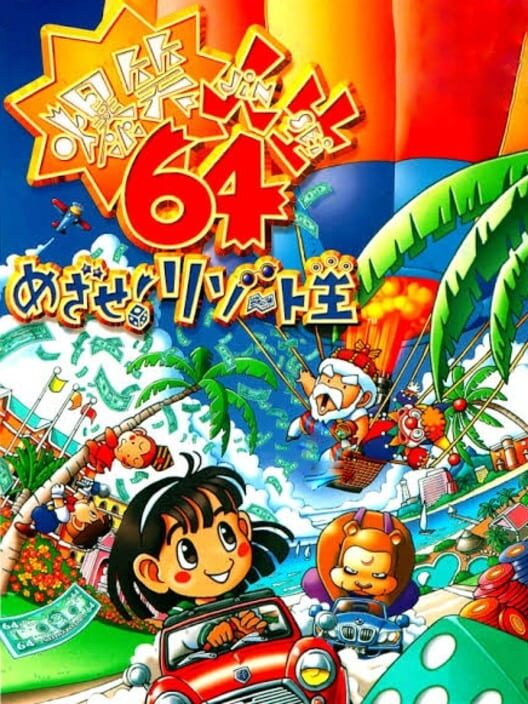
Bakushou Jinsei 64: Mezase! Resort-ou
1998
-
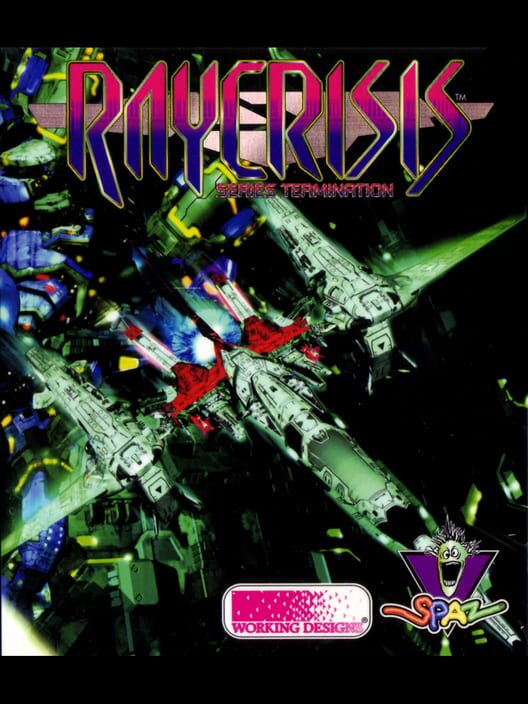
RayCrisis: Series Termination
1998
-
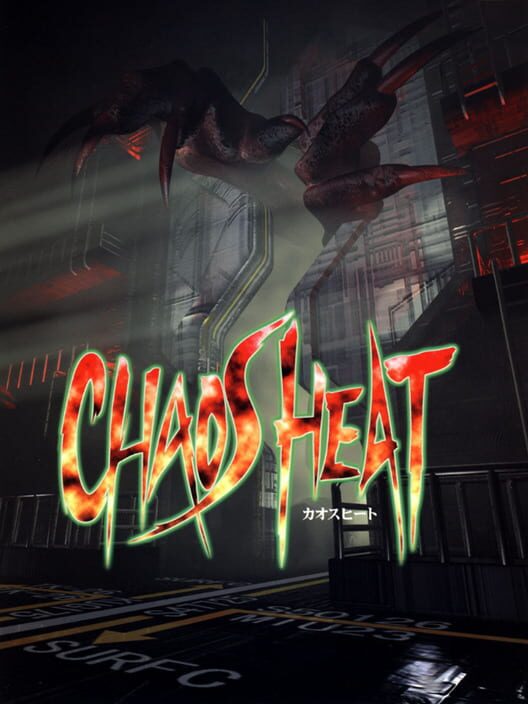
Chaos Heat
1998
-
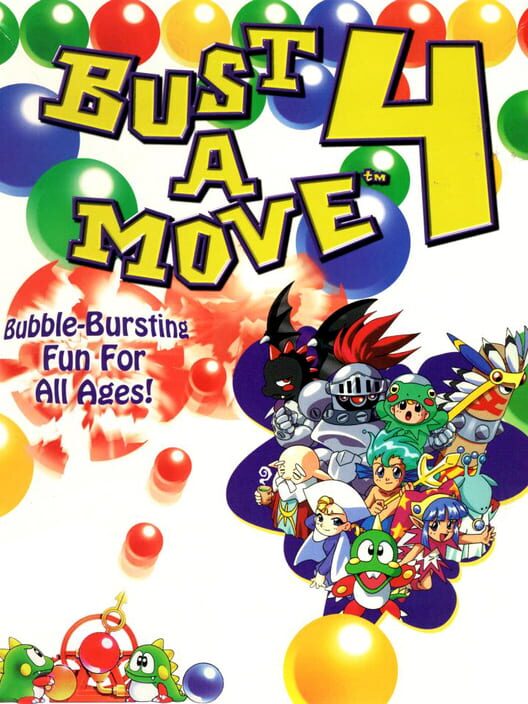
Bust-a-Move 4
1998
-
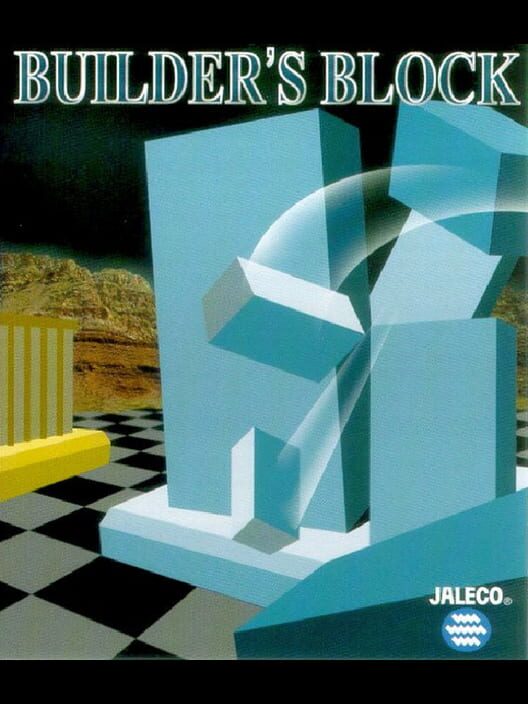
Builder's Block
1998
Published
-
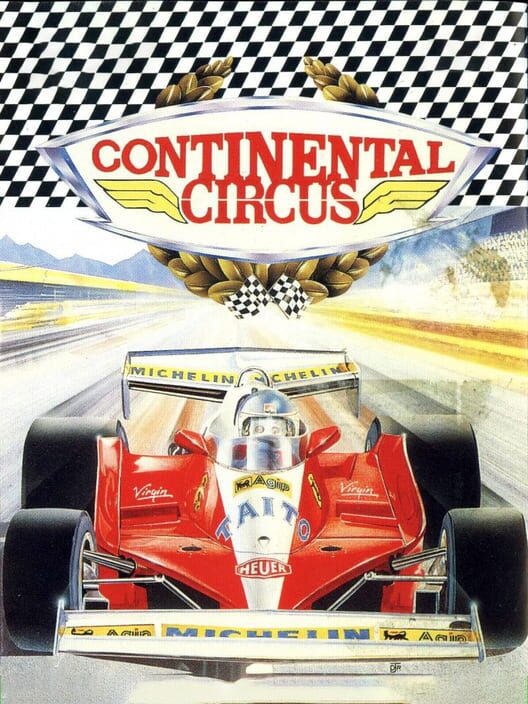
Continental Circus
1989
-
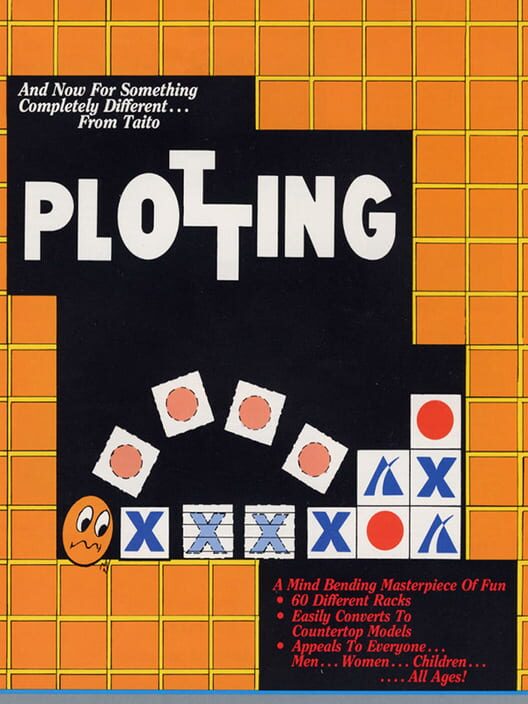
Plotting
1989
-
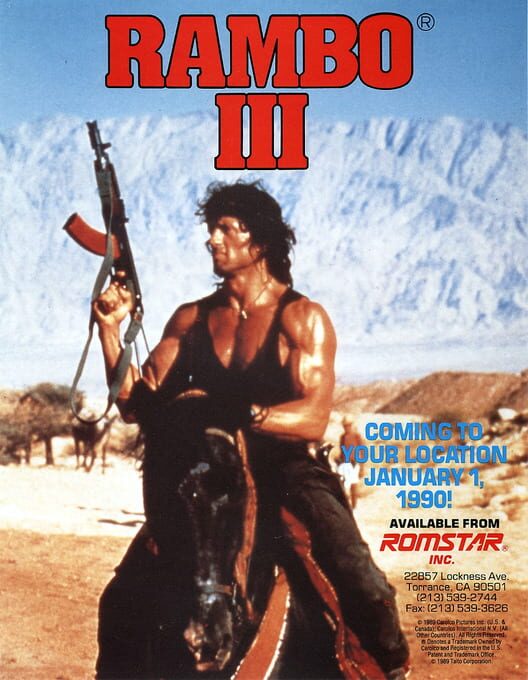
Rambo III
1989
-
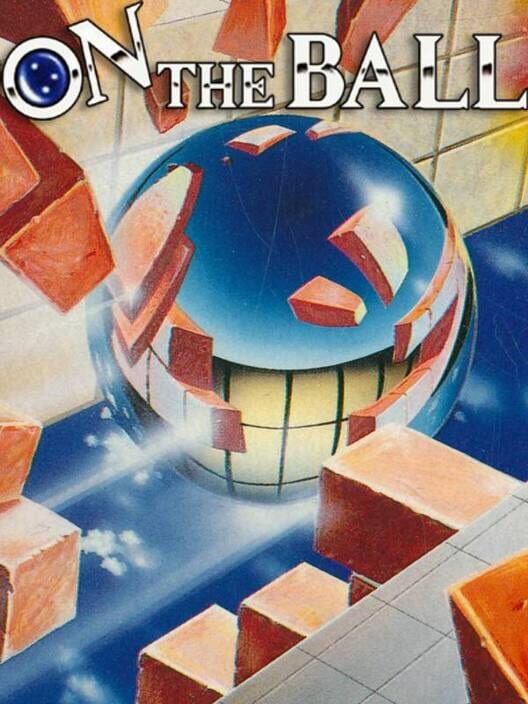
On the Ball
1989
-
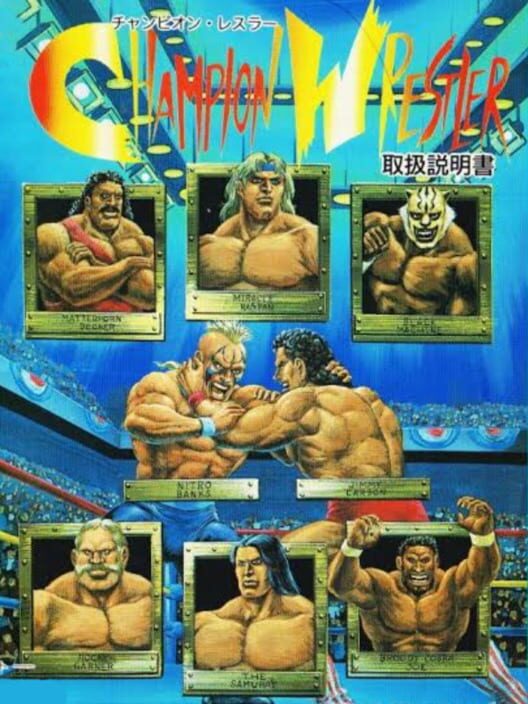
Champion Wrestler
1989
-
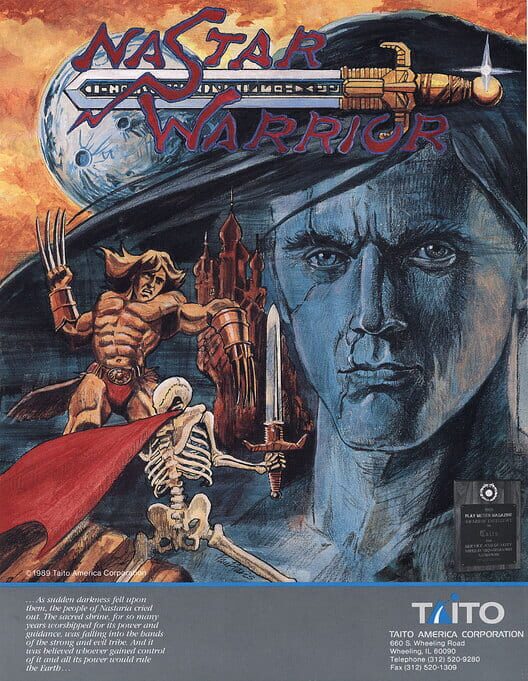
Nastar
1989
-
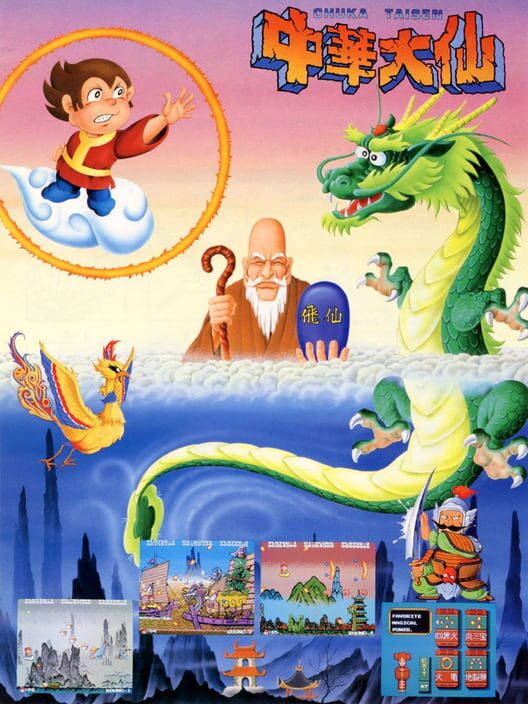
Chuka Taisen
1989
-
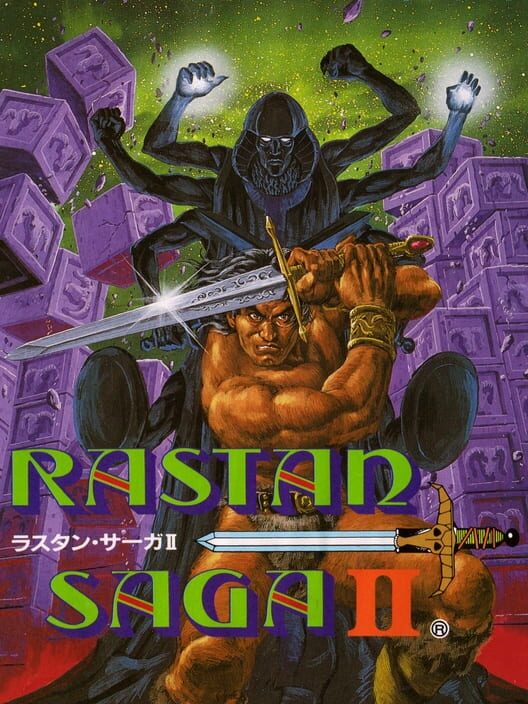
Rastan Saga II
1989
-
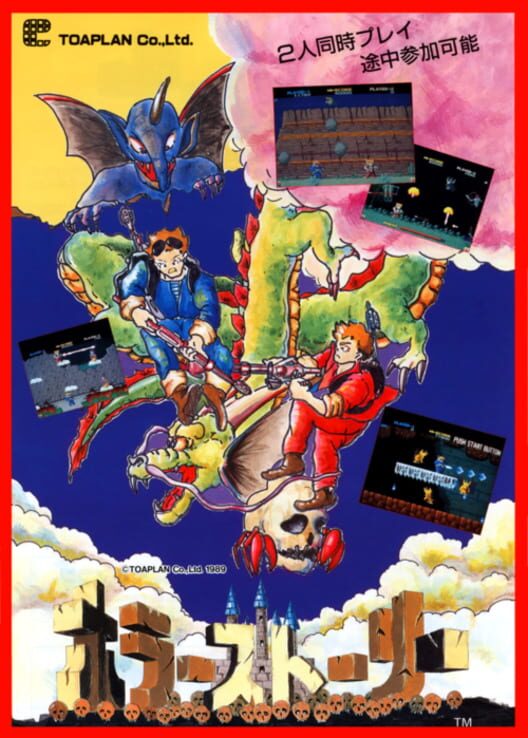
Demon's World
1989
-
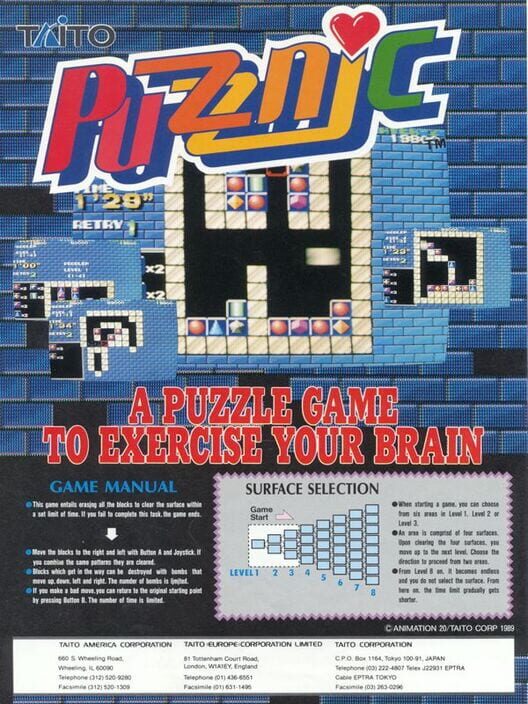
Puzznic
1989
-
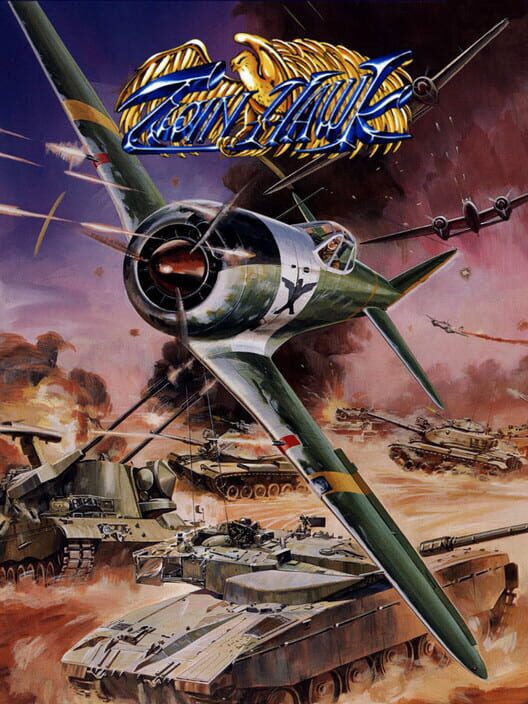
Twin Hawk
1989
-
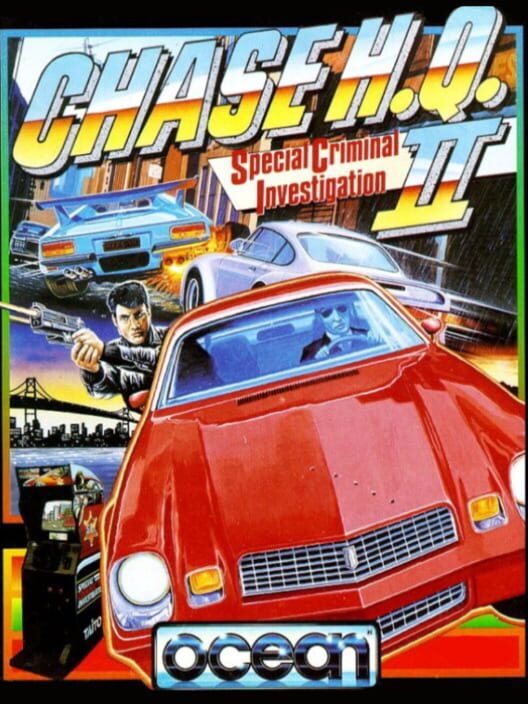
S.C.I.: Special Criminal Investigation
1989
-
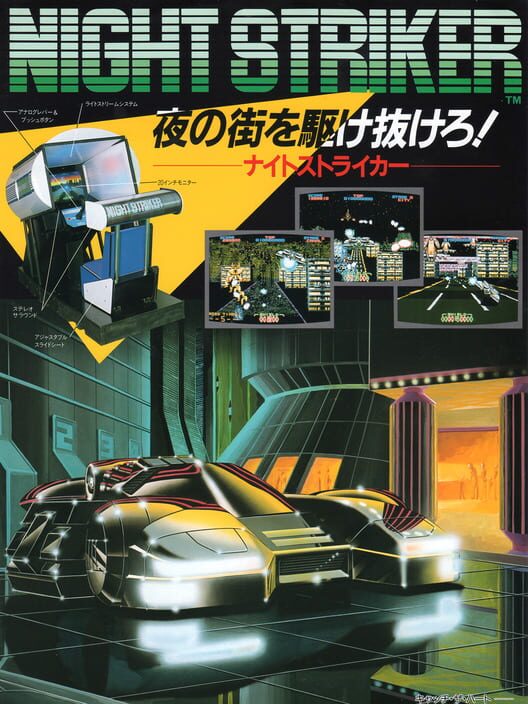
Night Striker
1989
-
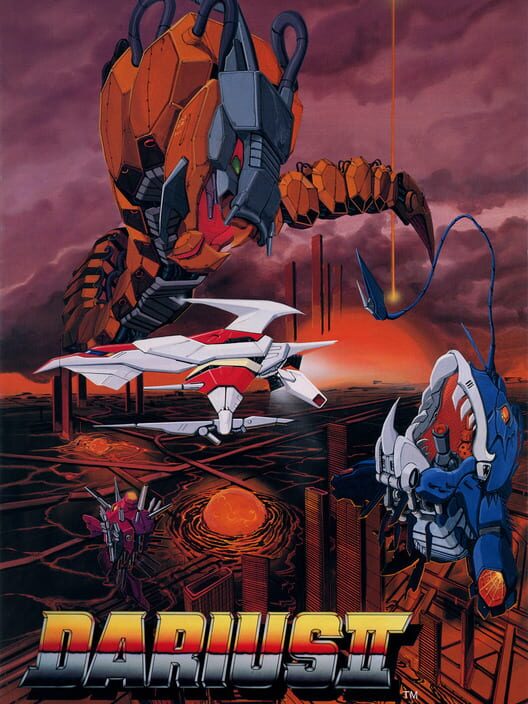
Darius II
1989
-
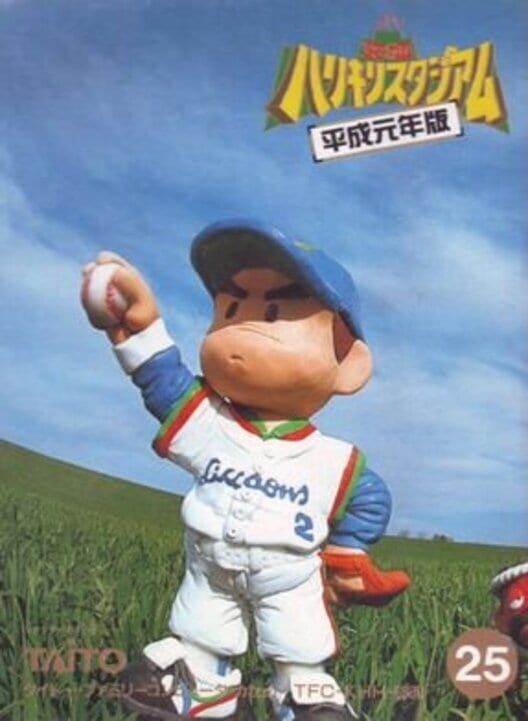
Kyuukyoku Harikiri Stadium: Heisei Gannen-ban
1989
-
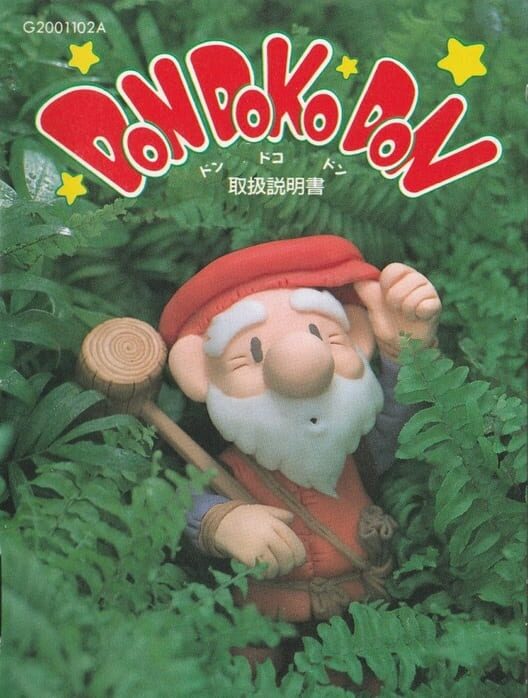
Don Doko Don
1989
-
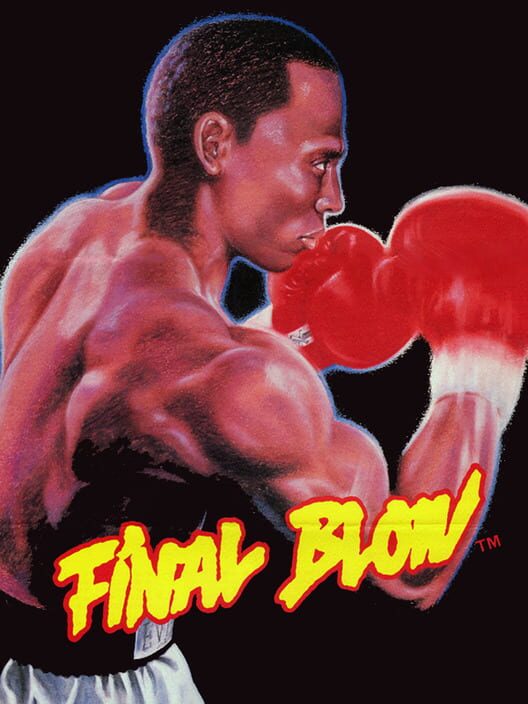
Final Blow
1989
-
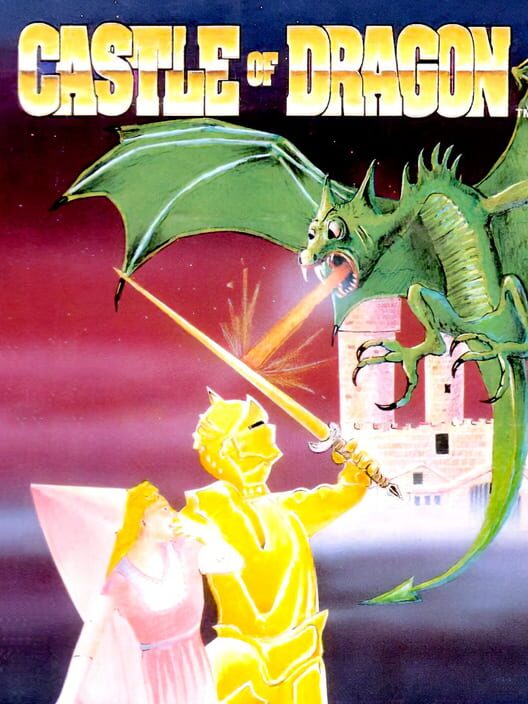
Castle of Dragon
1989
-
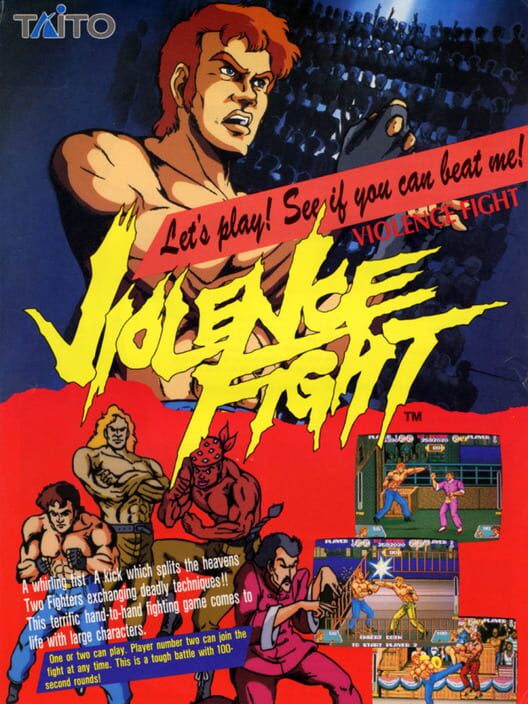
Violence Fight
1989
-
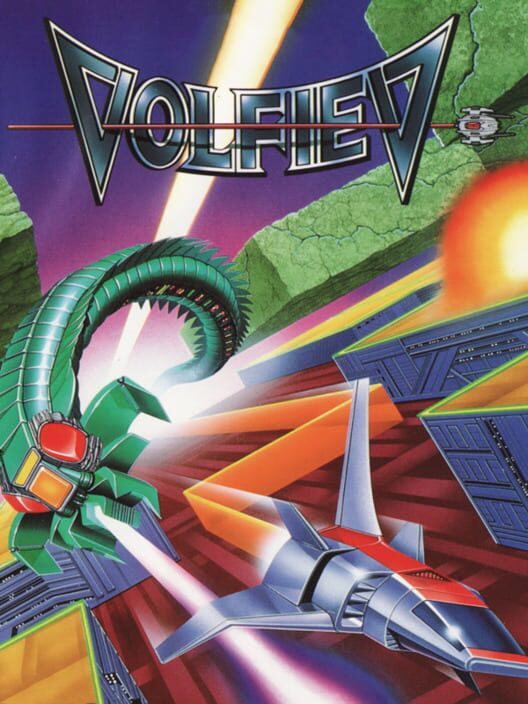
Volfied
1989
-
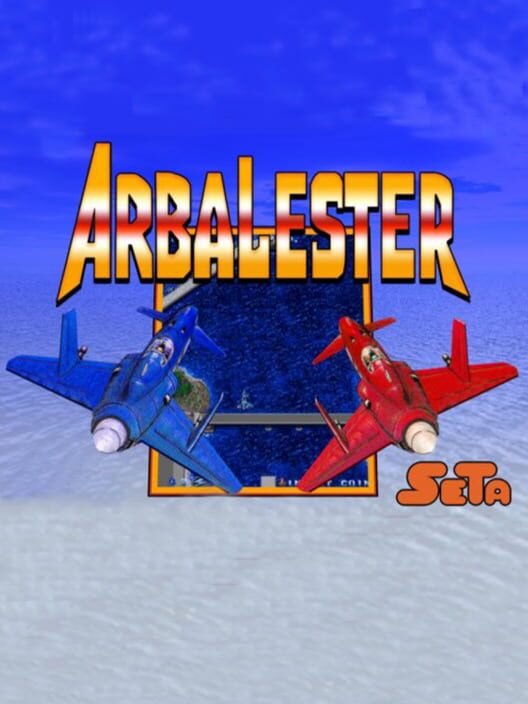
Arbalester
1989
-
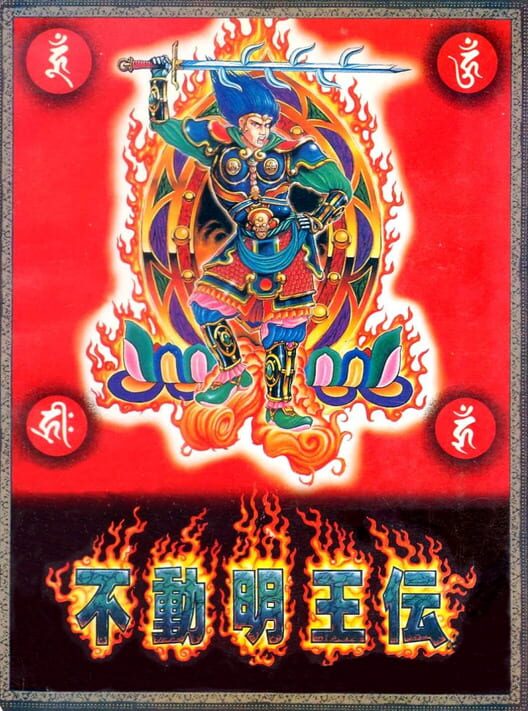
Fudou Myouou Den
1989
-
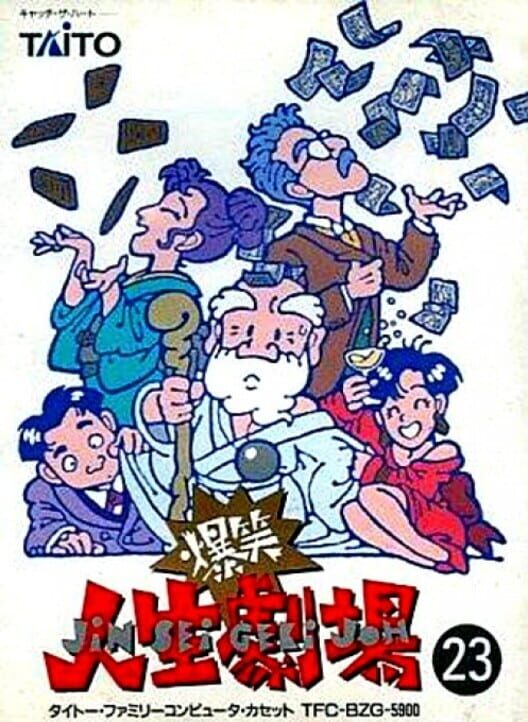
Bakushou!! Jinsei Gekijoh
1989
-
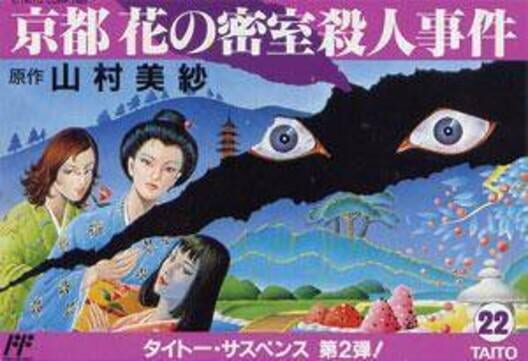
Yamamura Misa Suspense: Kyoto Hana no Misshitsu Satsujin Jiken
1989
-
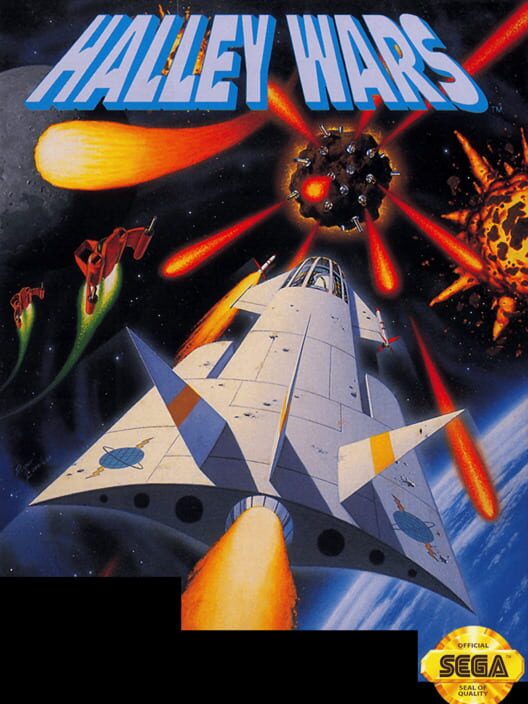
Halley Wars
1989
-
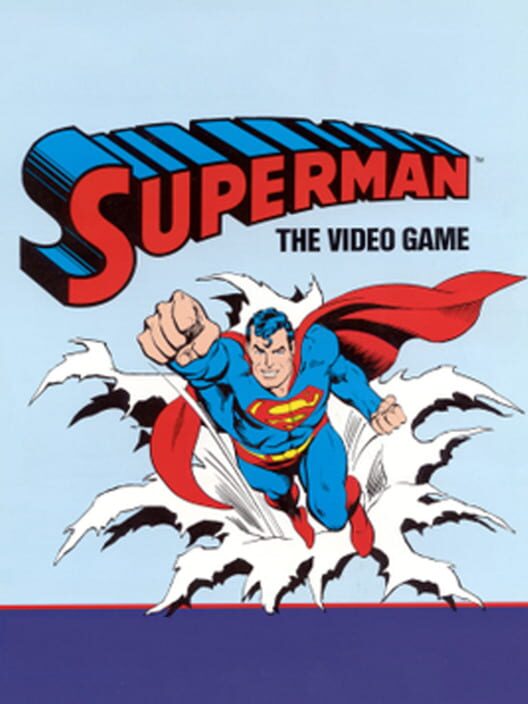
Superman
1988
-
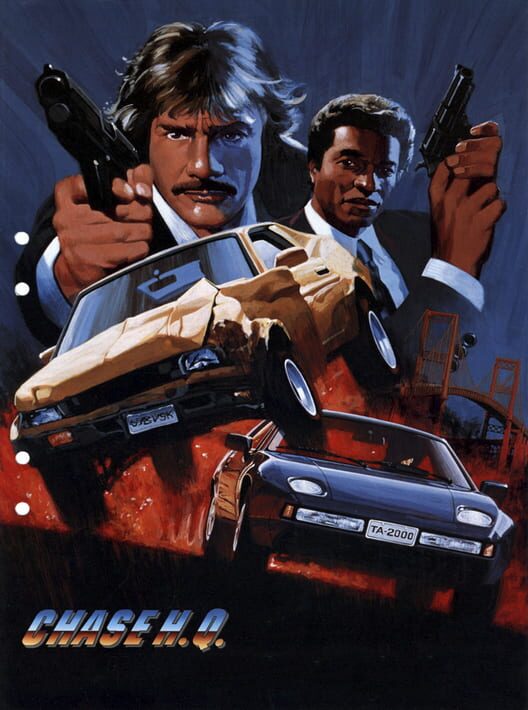
Chase H.Q.
1988
-
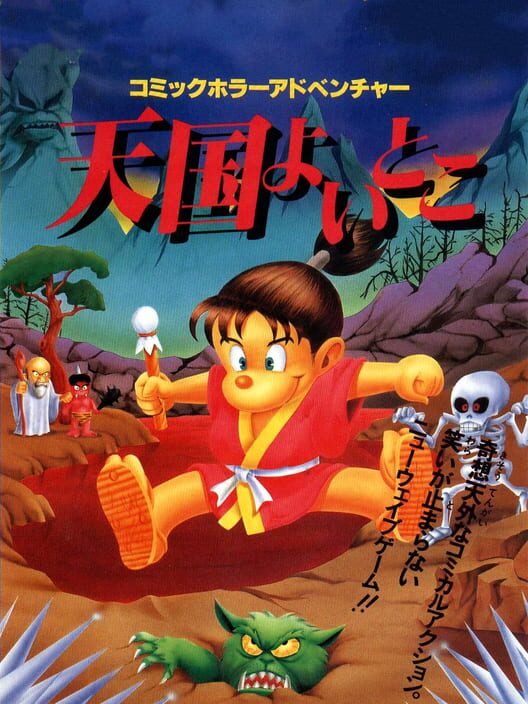
Tengoku Yoitoko
1988
-

Operation Thunderbolt
1988
-
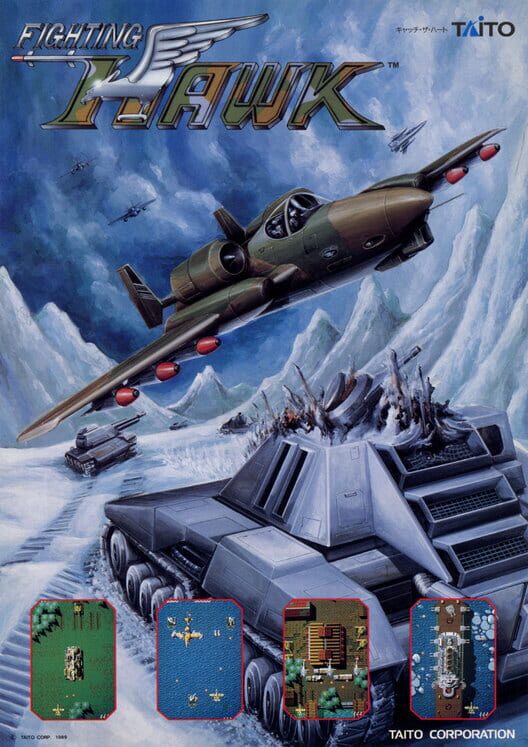
Fighting Hawk
1988
-
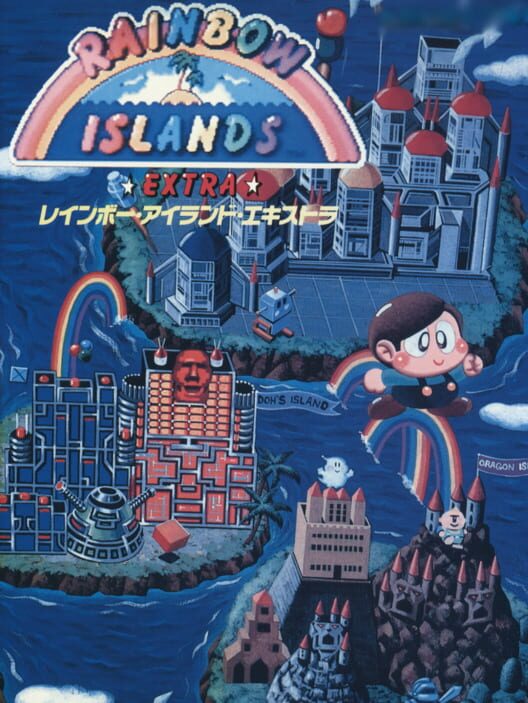
Rainbow Islands Extra
1988
-
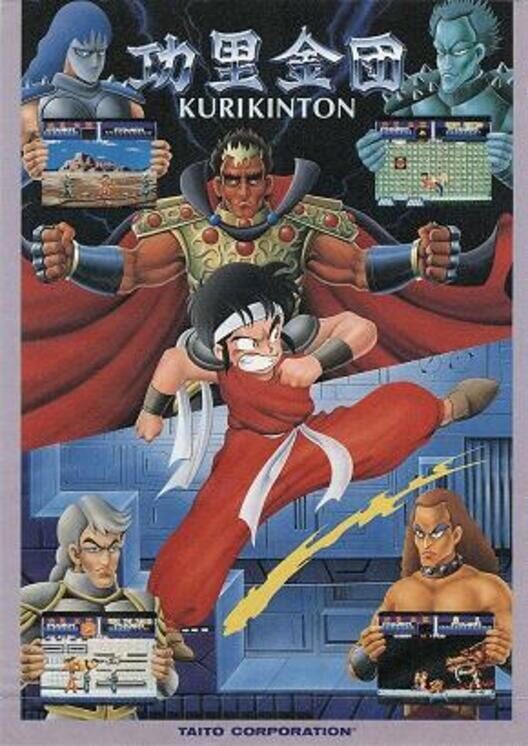
Kuri Kinton
1988
-
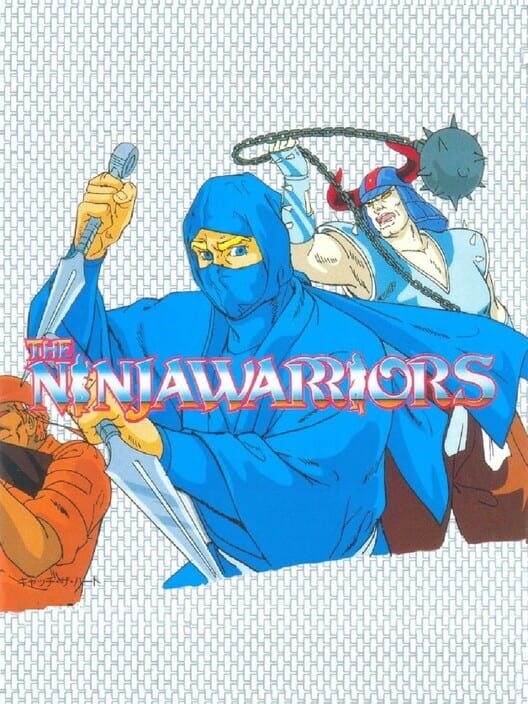
The Ninja Warriors
1988
-
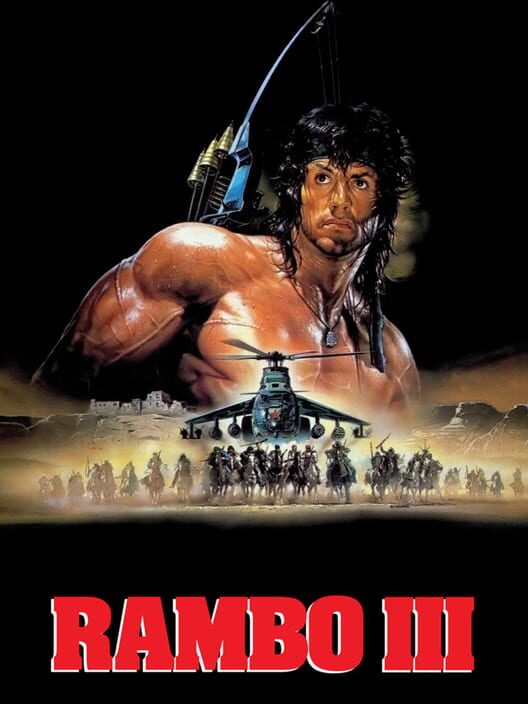
Rambo III
1988
-
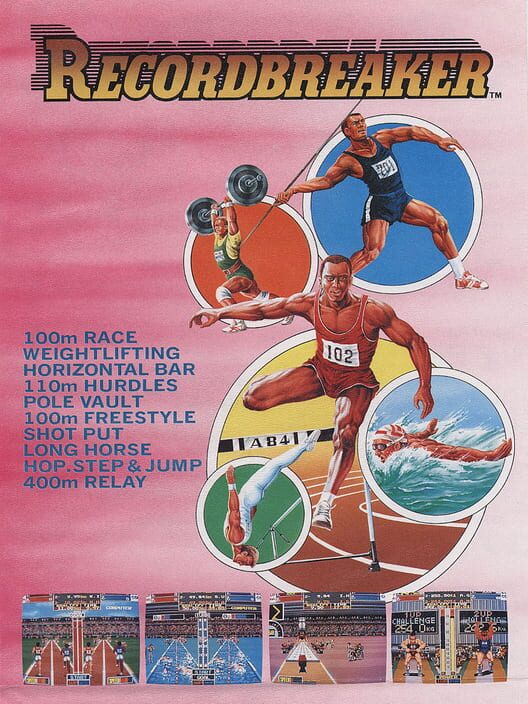
Recordbreaker
1988
-
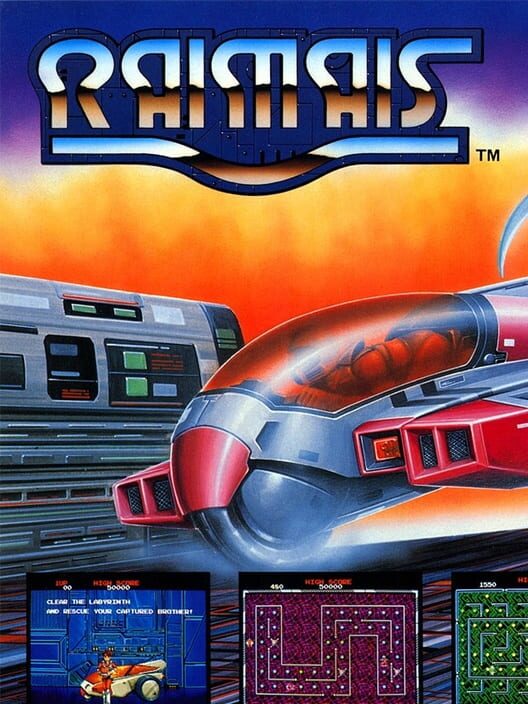
Raimais
1988
-
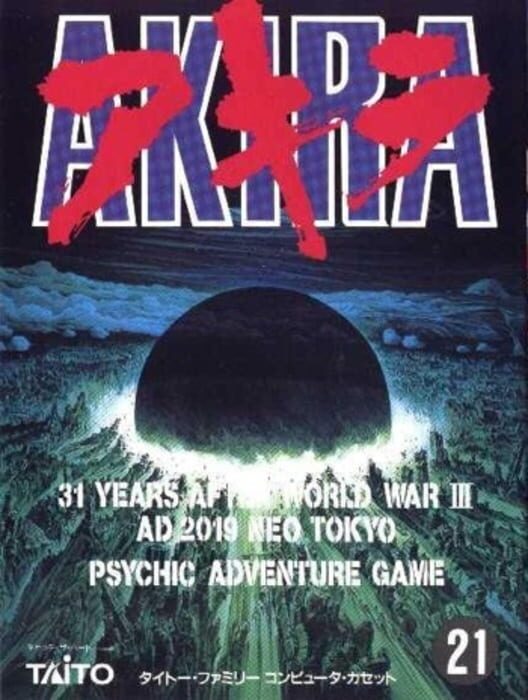
Akira
1988
-
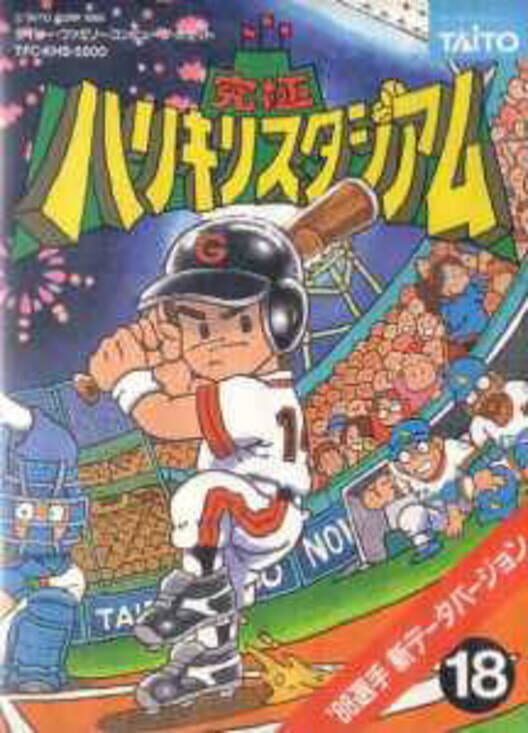
Kyuukyoku Harikiri Stadium '88 Senshuu Shin Data
1988
-
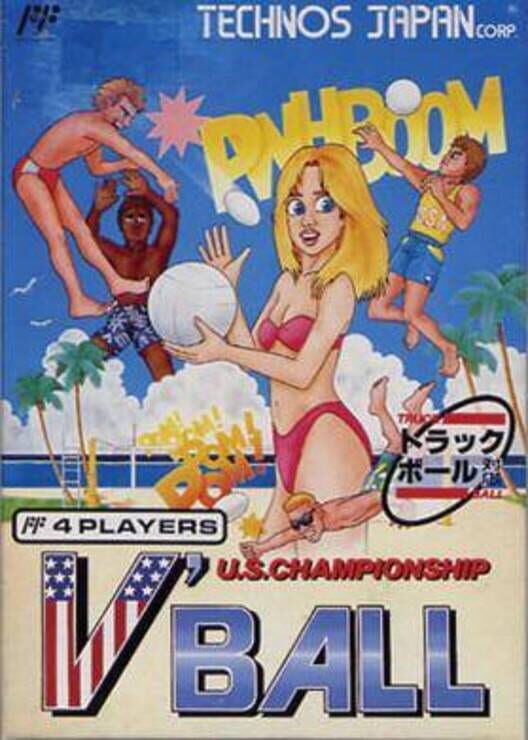
U.S. Championship V'Ball
1988
-
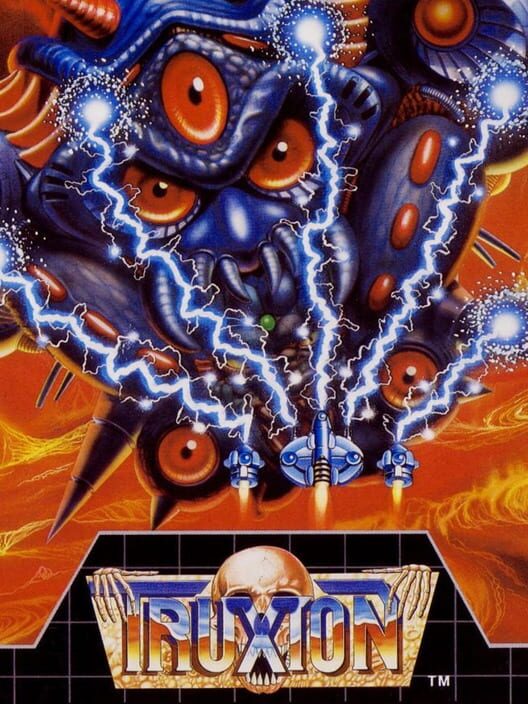
Truxton
1988
-
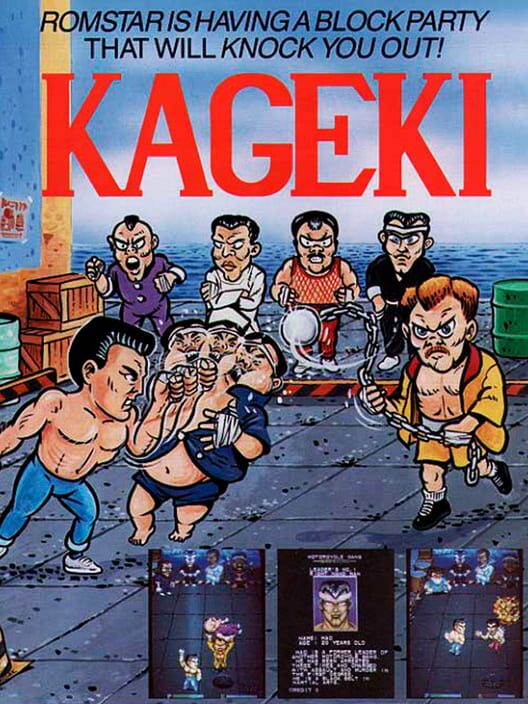
Kageki
1988
-
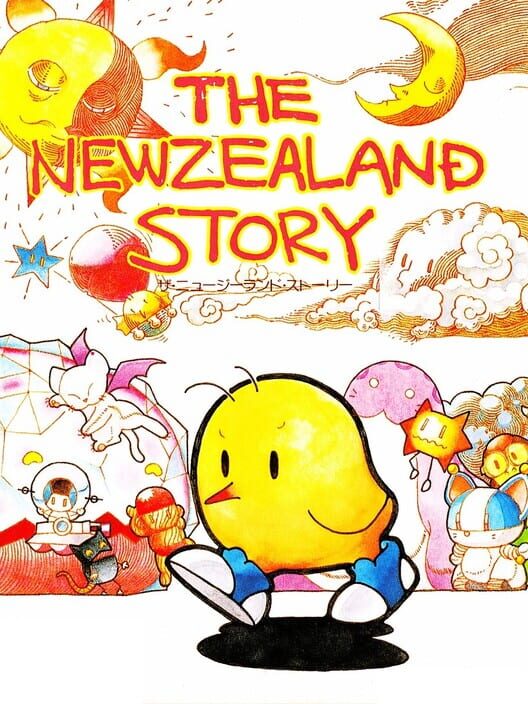
The NewZealand Story
1988
-
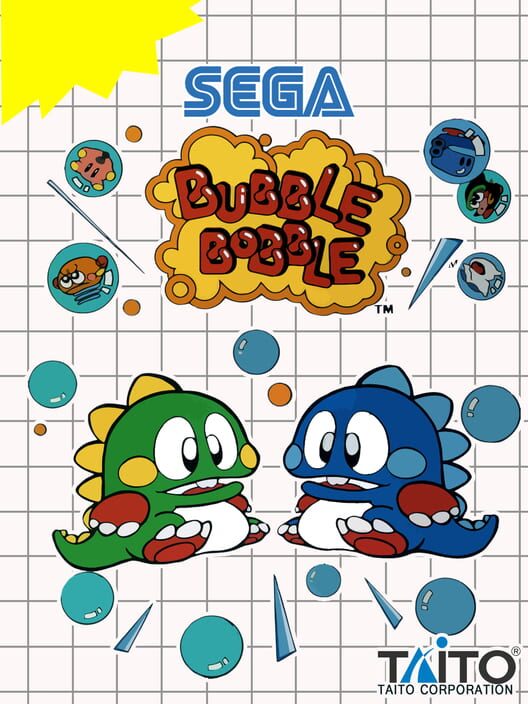
Bubble Bobble
1988
-
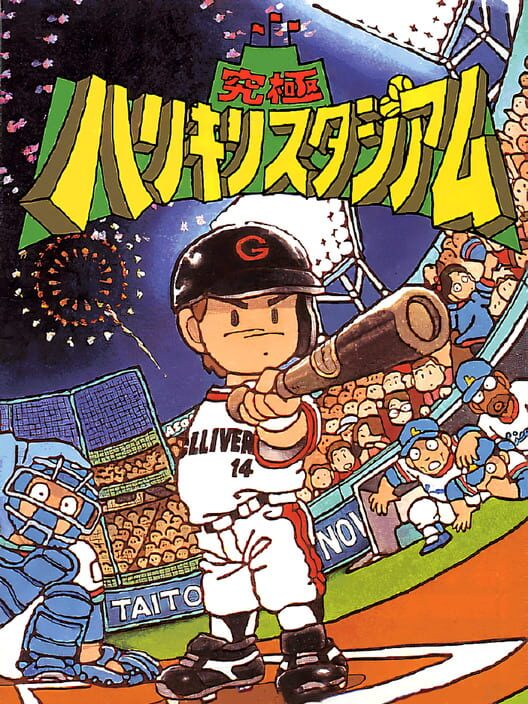
Kyuukyoku Harikiri Stadium
1988
-
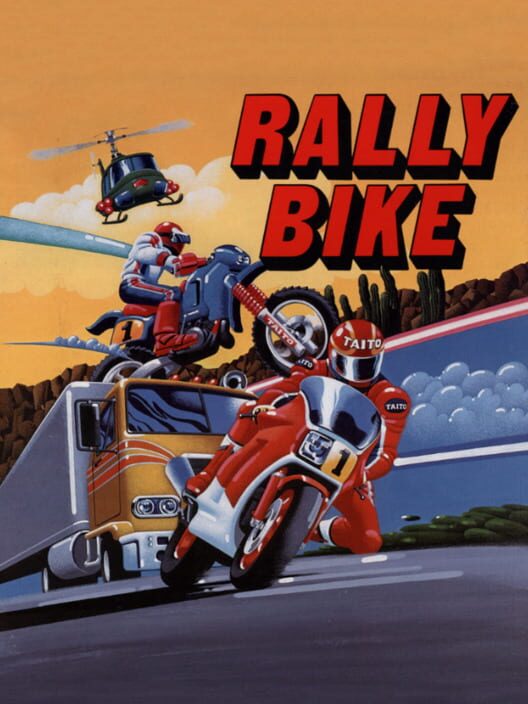
Rally Bike
1988
-
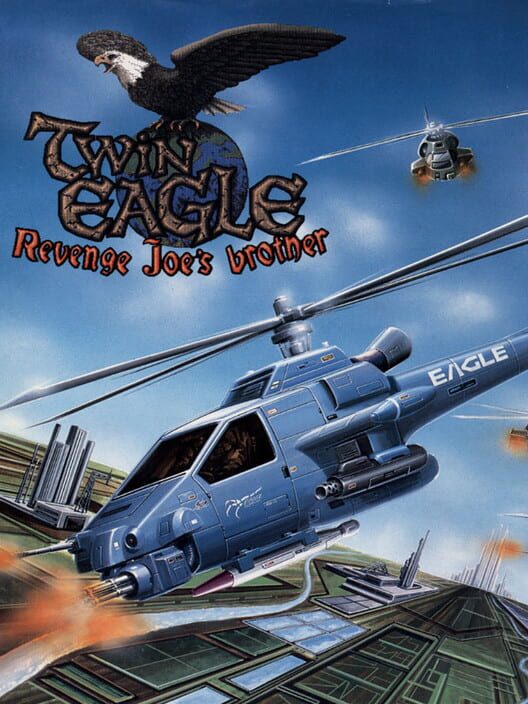
Twin Eagle
1988
-
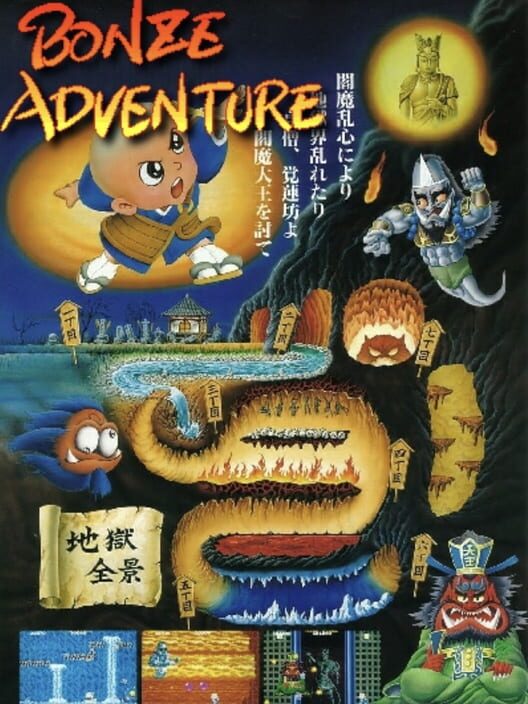
Bonze Adventure
1988
-
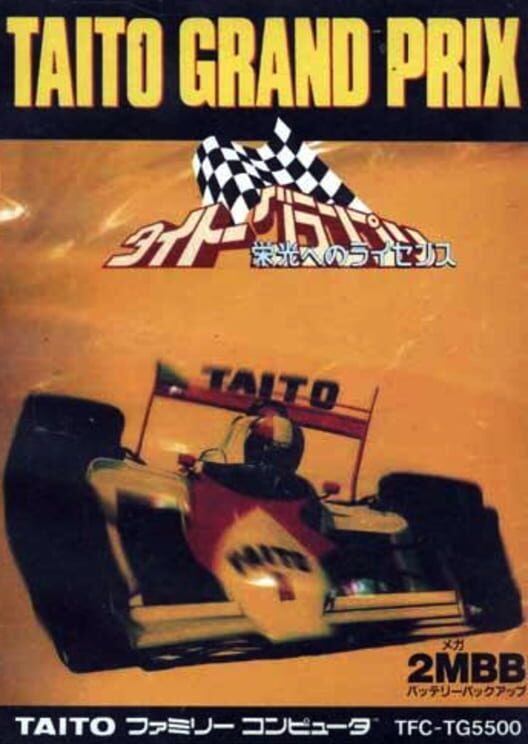
Taito Grand Prix
1987
-
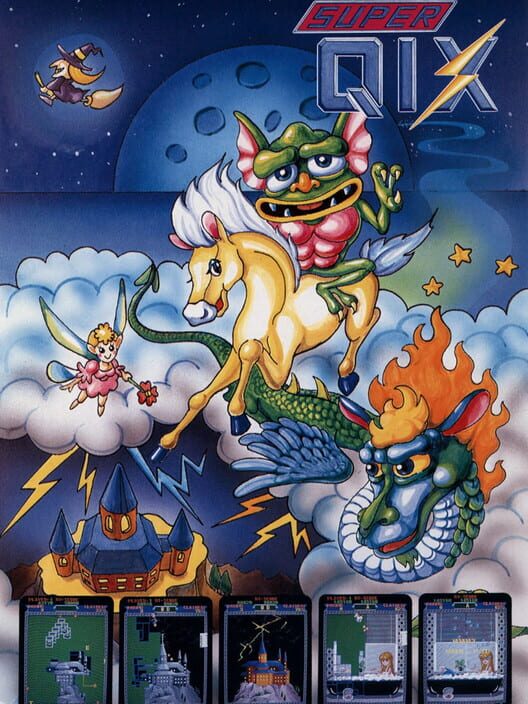
Super Qix
1987
-
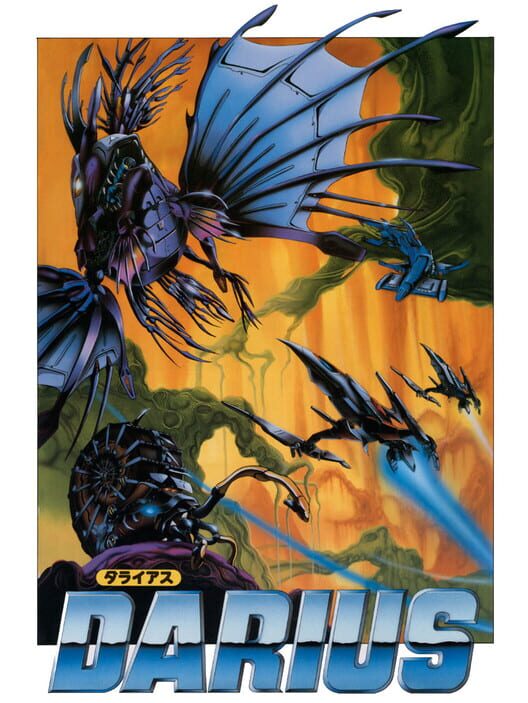
Darius
1987
-
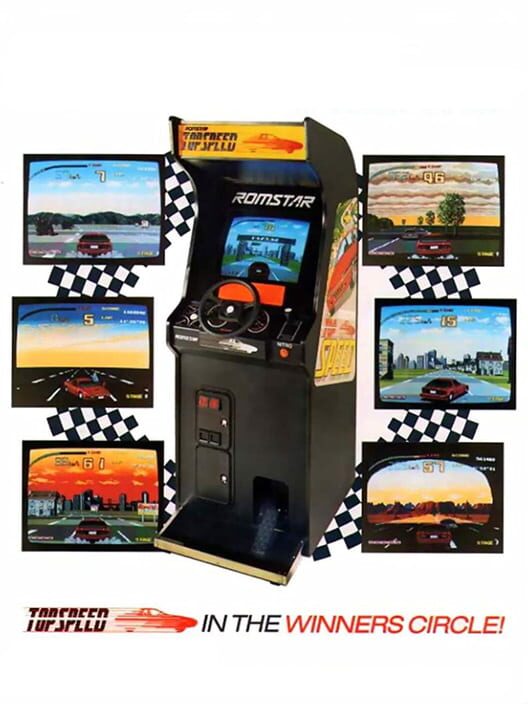
Top Speed
1987
-
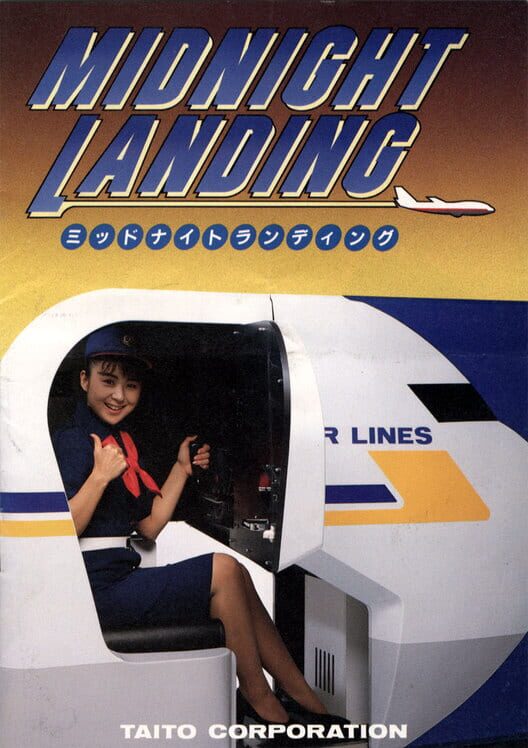
Midnight Landing
1987
-

Plump Pop
1987
-
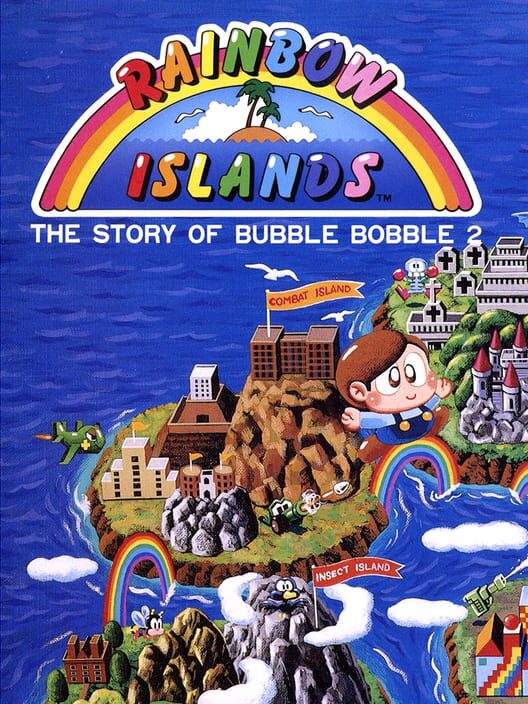
Rainbow Islands: The Story of Bubble Bobble 2
1987
-
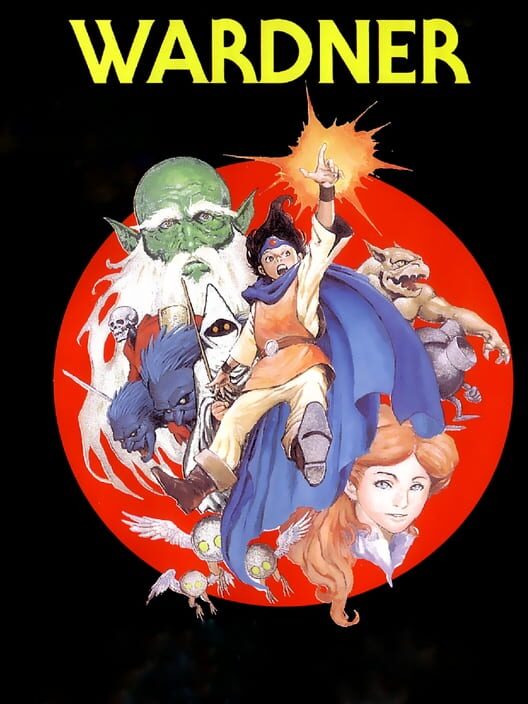
Wardner
1987
-
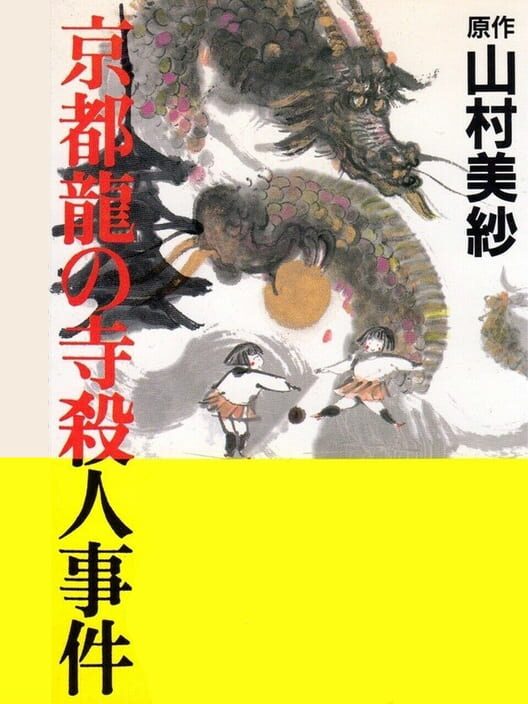
Yamamura Misa Suspense: Kyoto Ryuu no Tera Satsujin Jiken
1987
-

Operation Wolf
1987
-
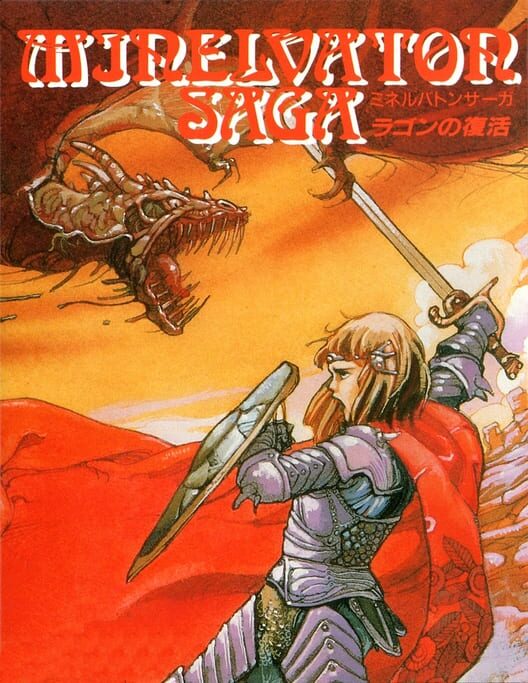
Minelvaton Saga: Ragon no Fukkatsu
1987
-
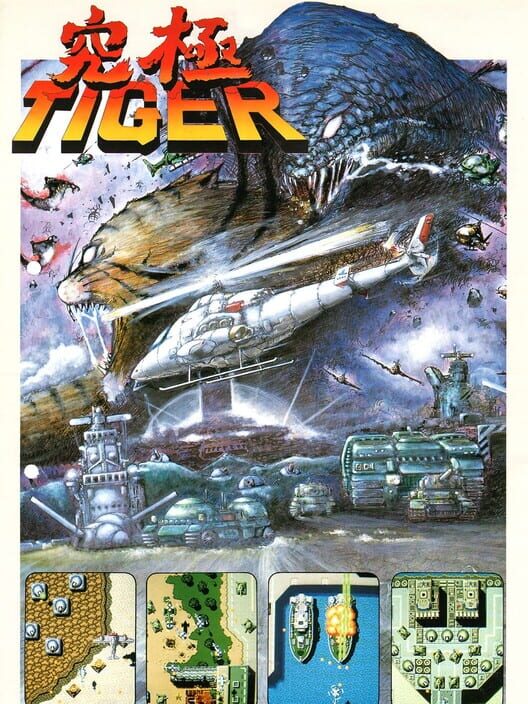
Kyuukyoku Tiger
1987
-
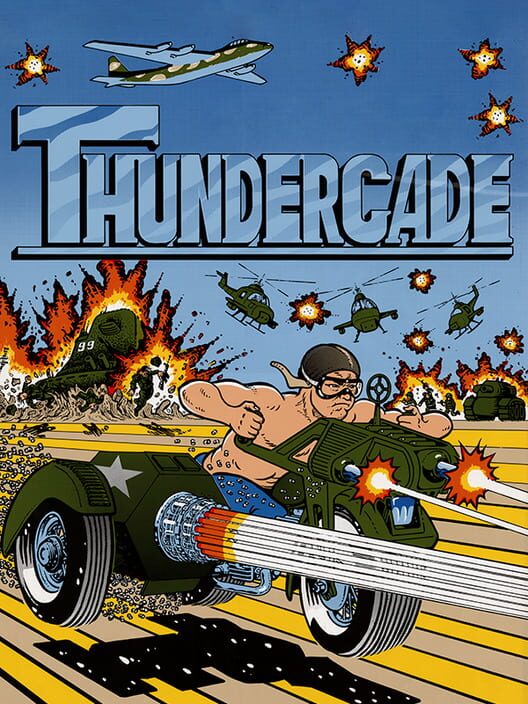
Thundercade
1987